fully adaptable to your plant
fully adaptable to your plant

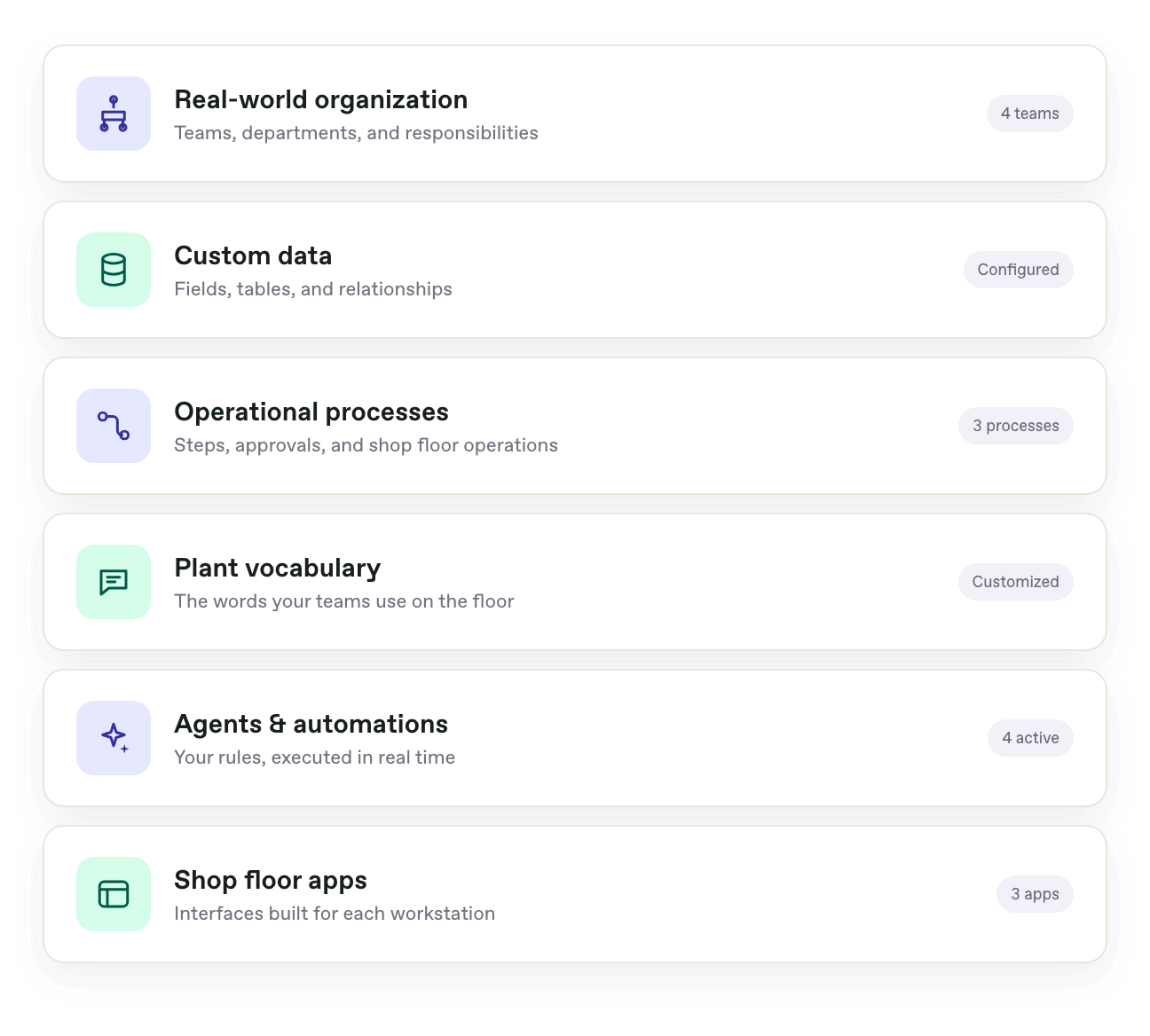
Adapt the data model, workflows, and interfaces without waiting months for custom development. Bonx customers reach a first go-live in 10 weeks on average and a full go-live in 4 to 6 months.

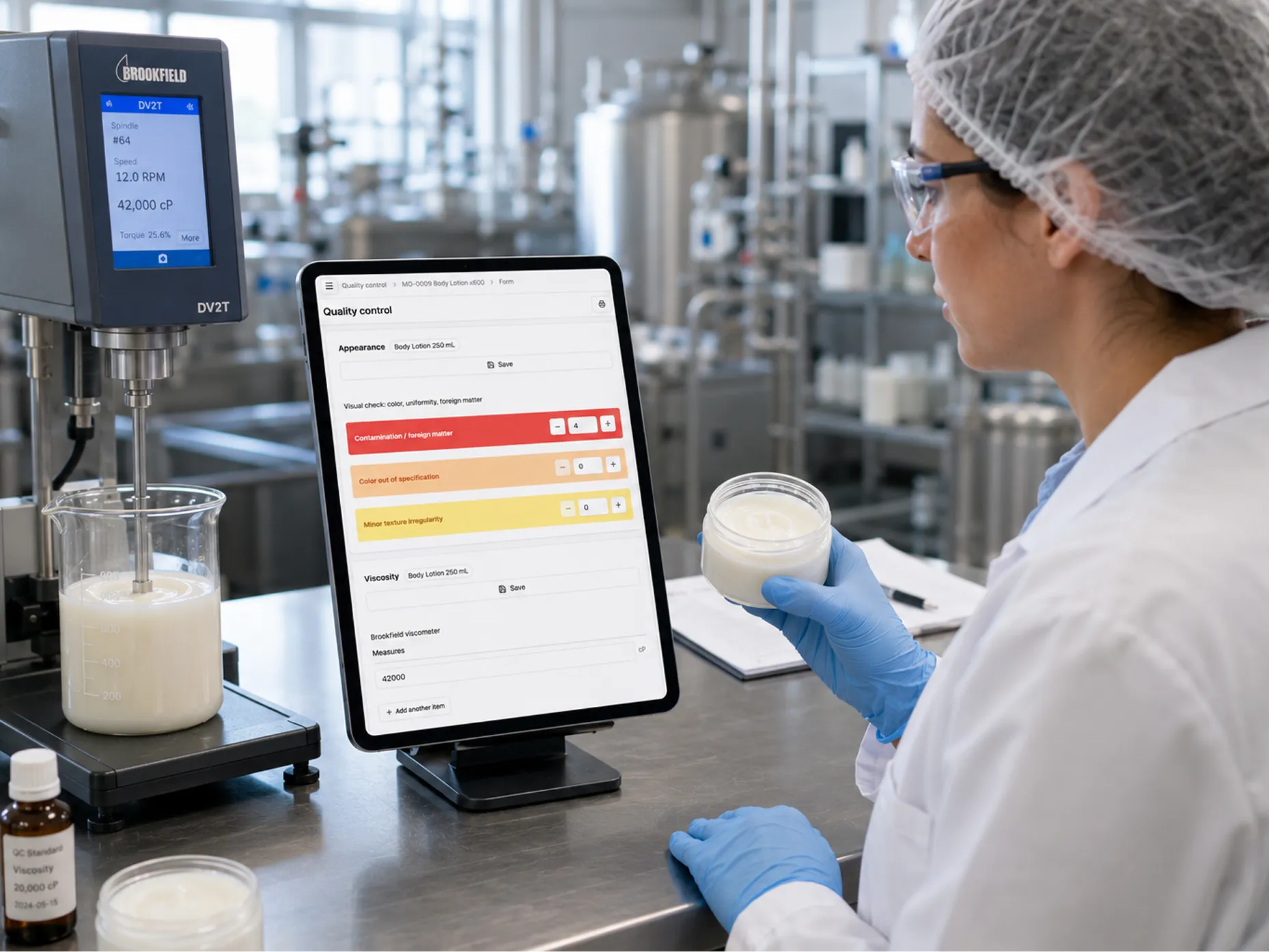
Each team gets a tool built for the job, so people stop working around it. Automations can then take on more of the routine so work keeps speeding up.

Checks and best practices are prompted at the right moment inside every workflow, catching problems before they turn into rework.
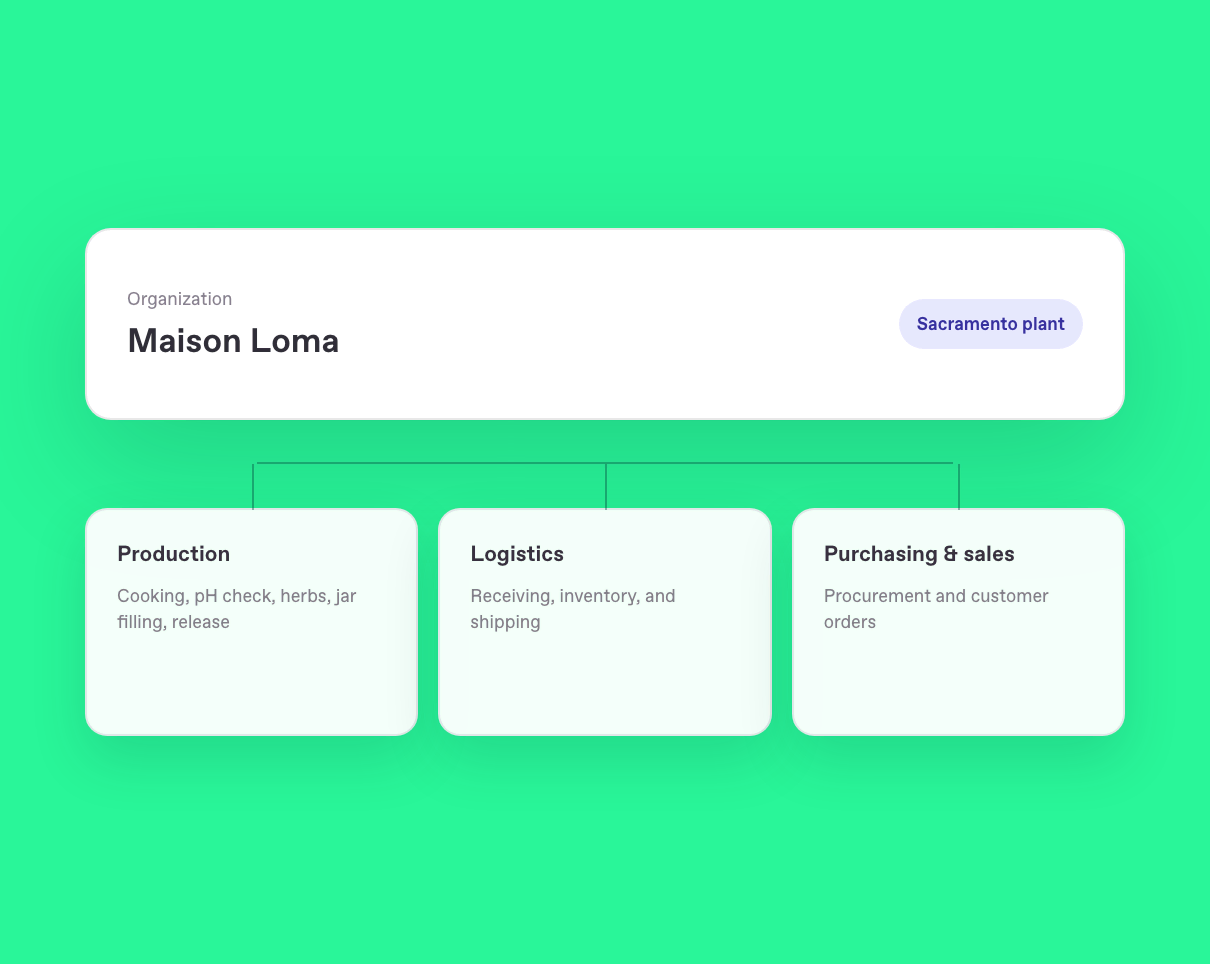
In Bonx, you define and adjust your own teams, sites, and responsibilities with no fixed or imposed structure. Each person sees exactly their part of the work, and the model grows with you.
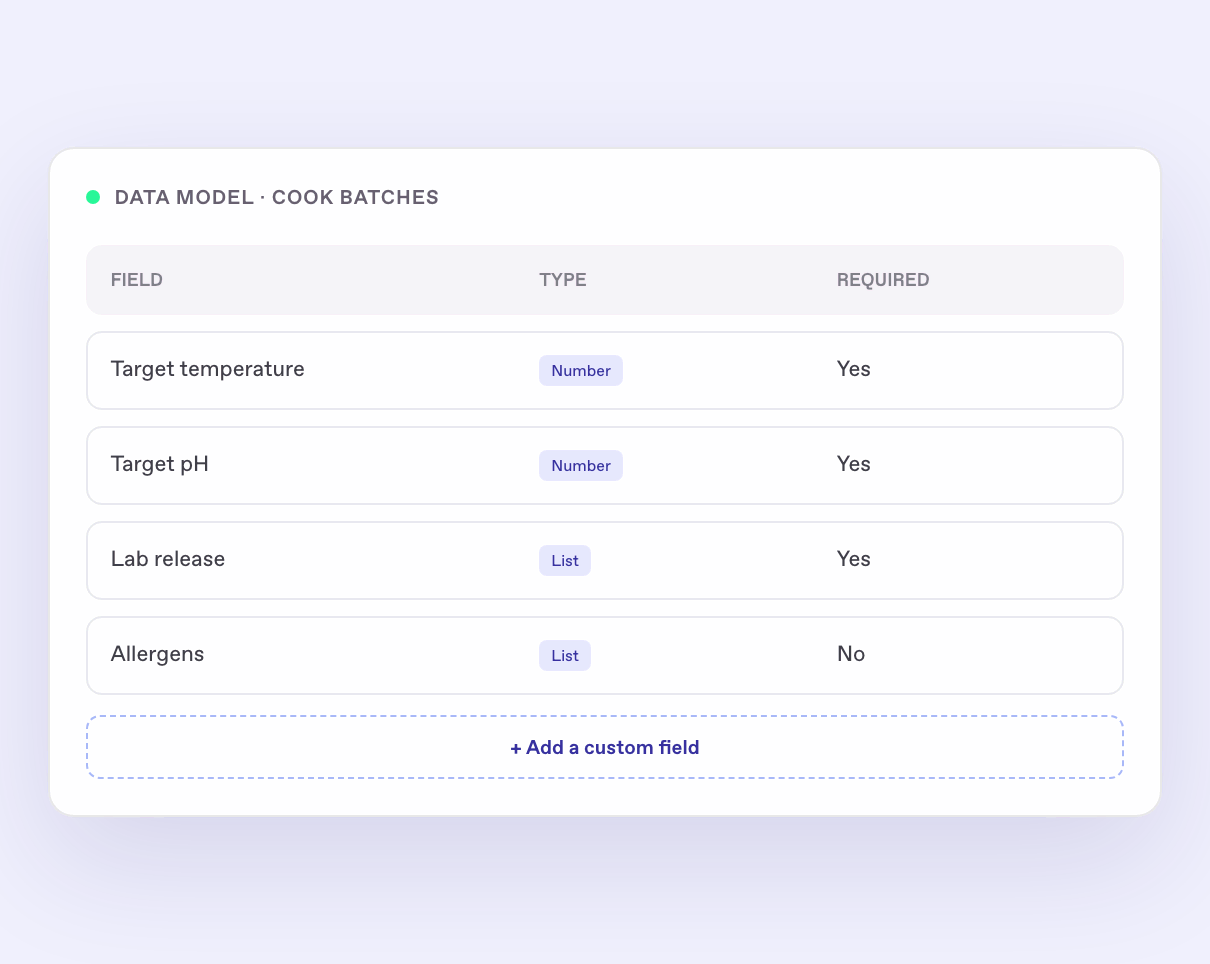
Every plant tracks things a standard ERP has no field for, which means critical data often ends up in spreadsheets. In Bonx, you create the fields, tables, and relationships your operations actually need for a data model that evolves with the business, without breaking the standard or waiting on an IT project.
When your real processes are reflected in the ERP, you get accurate inventory, traceability, and fewer errors.
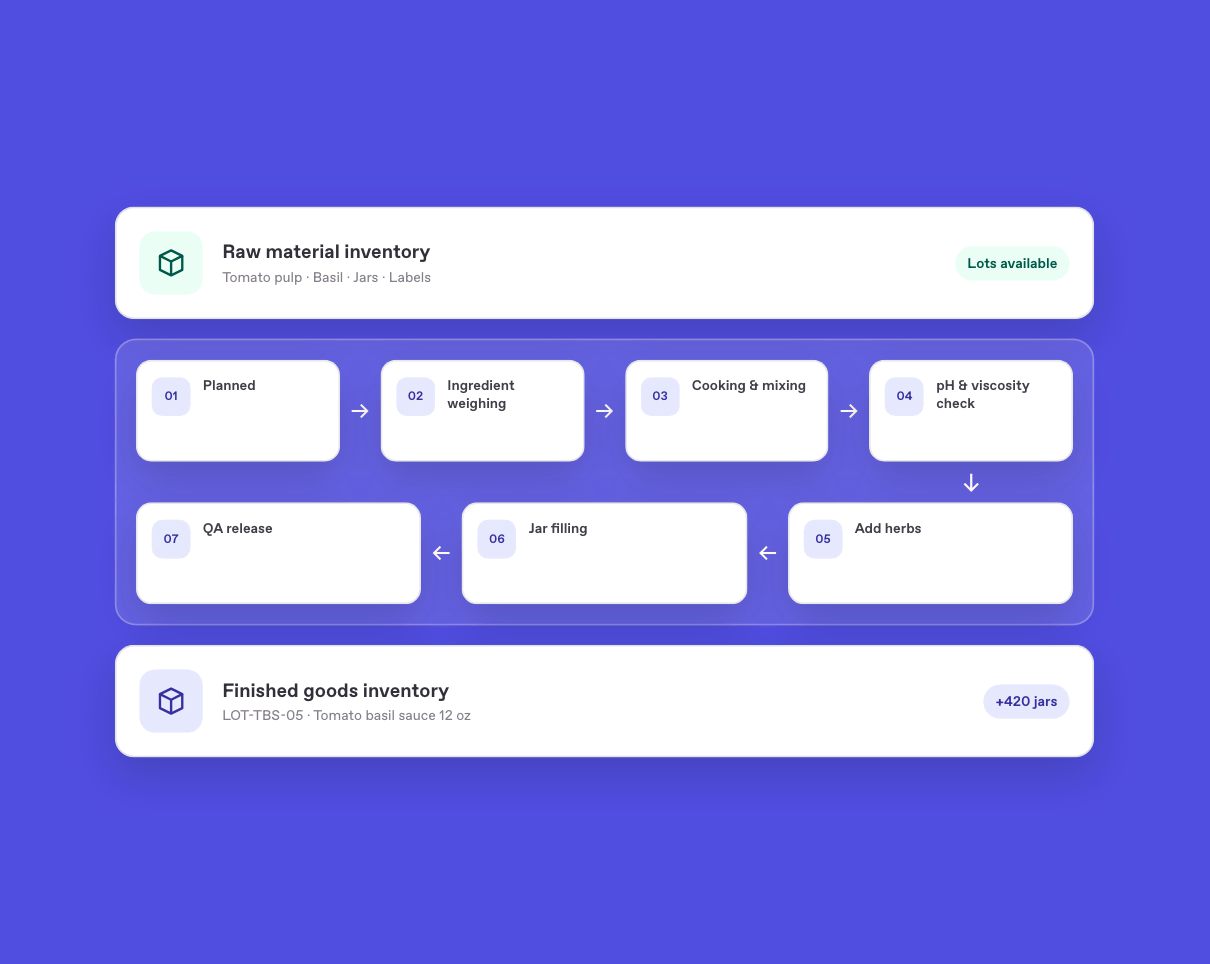
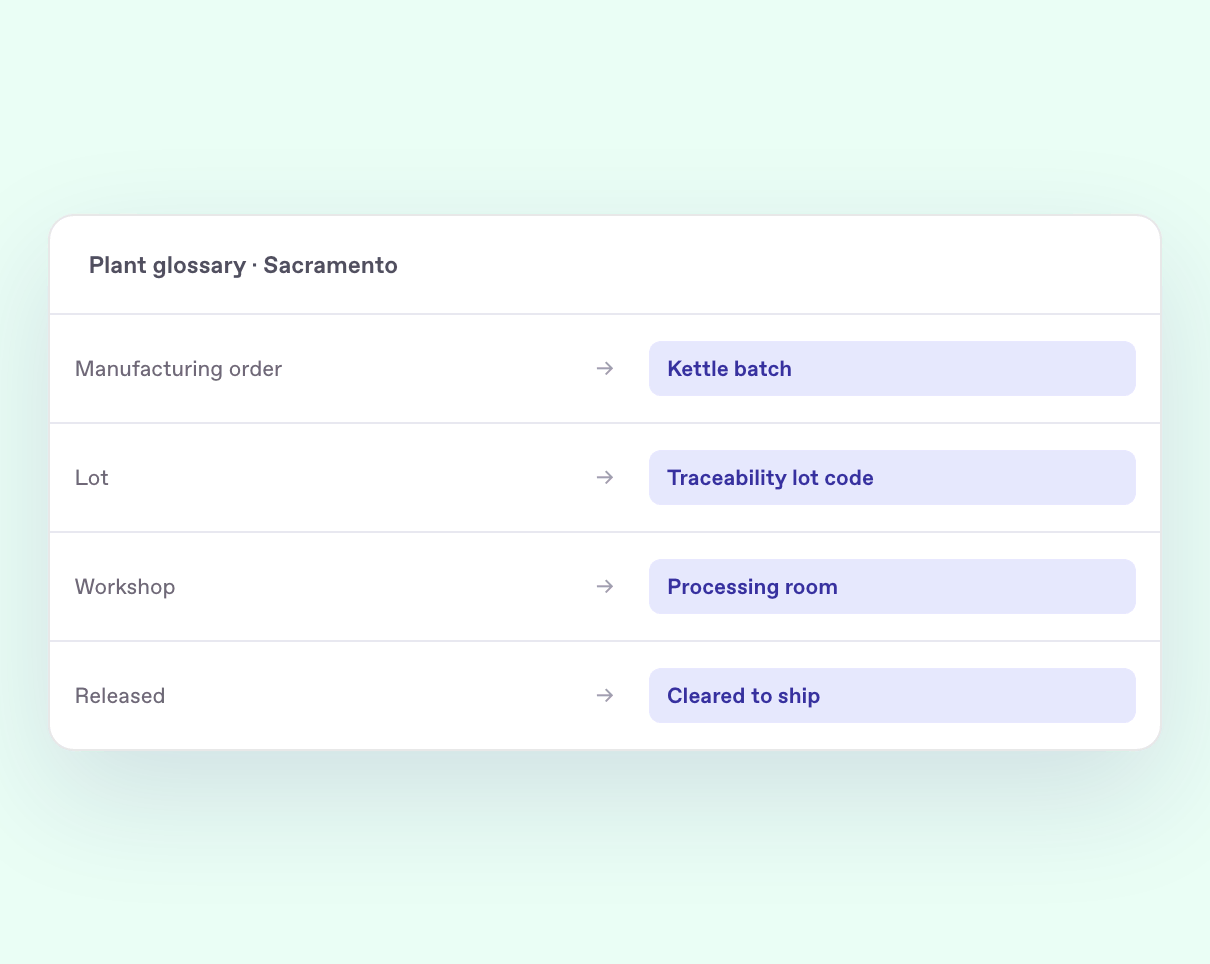
Recognizable screens mean less training, fewer mistakes, and a tool people actually use. Bonx picks up the terms, units, and statuses already in use at your plant so that screens speak the language of the shop floor.
Automate any of your processes with AI in seconds, not months. Set up triggers, approvals, and AI agents in Bonx to handle repetitive tasks, even those with specific and complex rules, and alert the right person for any exceptions.
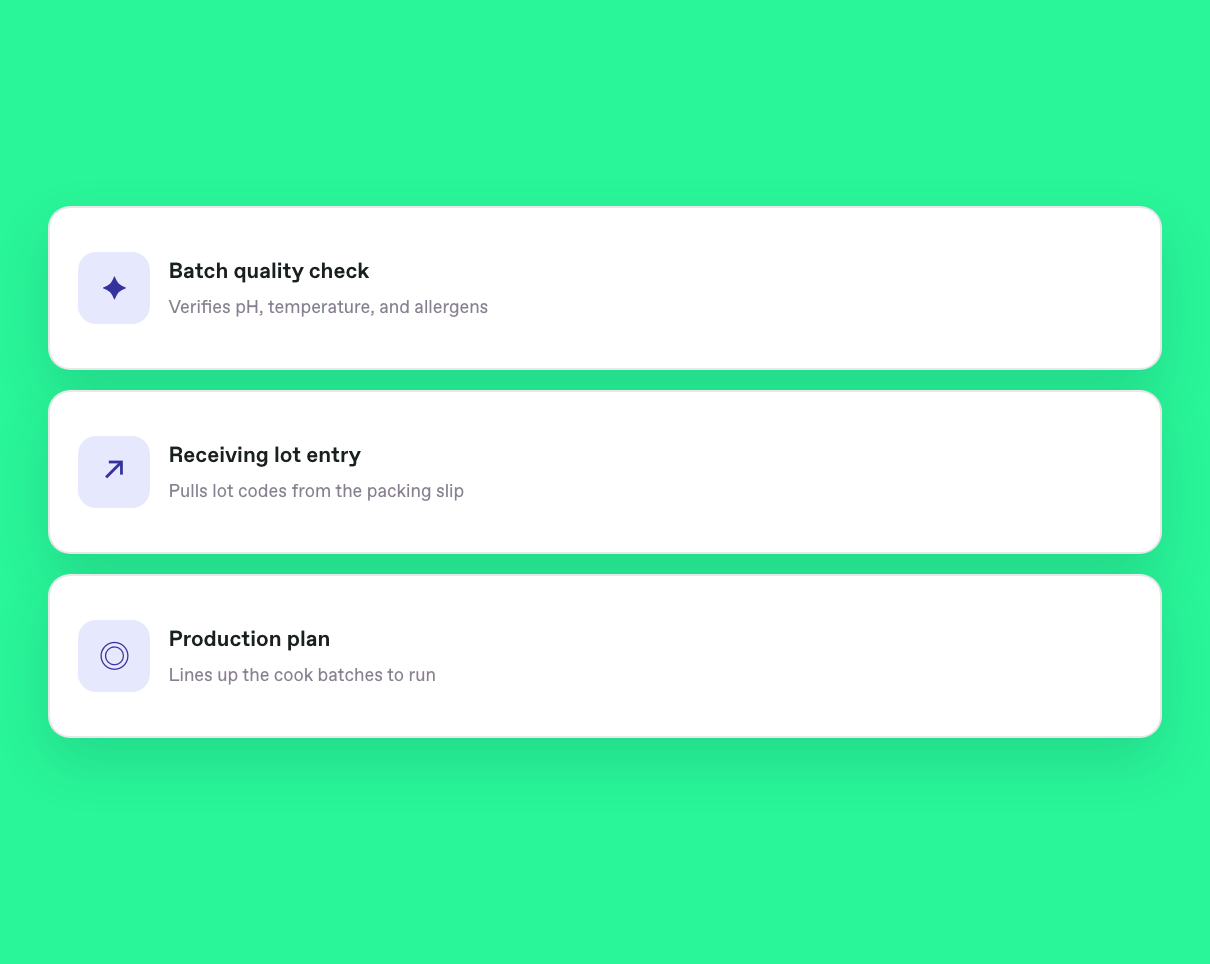
Need an interface so specialized for your business that it's not part of Bonx's standard modules, but don't want to sidestep the ERP? Bonx lets you build 100% custom mobile and tablet apps that stay connected to your data and processes, no side IT project required.
Explain the app you or your operators need, in natural language. No spec document, no development queue, no lengthy project, no IT required.
The app reads and writes the same lots, orders, inventory, etc., as the rest of Bonx, so nothing gets re-keyed or sits outside of the ERP.
Only the people you authorize can create apps. Each one is tested on live data in draft, and reaches operators only when you publish it.
Marjolaine Nantillet
Founder at L'Atelier du Ferment

Gaëtan Duculty
Managing director at Salaisons du Mont Pilat
David Nicolas
Founder at Féroce

Romaric Duretz
Plant director at La Maillecotech

Yes. A process can apply to every site or only to some, so one plant can add a quality step the other doesn't need. Processes can also span sites, with a transfer step in between, and you can limit each user to the sites they work at.
You do. Access rights are set by team, site, record type, process step, and field, so an operator can record a measurement without being able to edit its target. Adding fields and creating AI agents is reserved for managers. Every change to a record is tracked field by field, with who made it and when, including changes made by an agent.
Mostly your team. Bonx configures the system with you during deployment and trains the people who will run it. After go-live, your managers add fields, adjust process steps, set access rights, and build views and dashboards themselves, without code. A few things, such as document templates, still go through the Bonx team: you send a request, and it's usually done within days.
Typically, about 90% of our customers' operations run on Bonx's standard modules, configured to their process. The rest, the part that makes your plant different, can be built as an app on the same data, so it stays connected to your stock, orders, and traceability. People you authorize describe the app to Bonx's assistant, test it on live data in draft, and publish it to operators when it's ready. The Bonx team can also build apps with you.
Yes. Rule-based automations, such as creating a shipment when an order is ready or sending invoices to your accounting tool, are set up without code. AI agents are described in plain language and attached to a process step or event, for example checking each delivery note against its purchase order. Managers create them, and an agent can never act beyond the permissions of the profile it runs under.
Yes. You name your teams, processes, and steps yourself, so screens read the way your floor talks from day one. If a built-in term doesn't fit (say, for example, your plant calls a manufacturing order a kettle batch) it can be renamed across your account.
Yes. A manager can add a custom field to any standard record in a couple of clicks, including fields that link to other records, and there's no cap on how many. When you need a type of record Bonx doesn't have, such as molds, tanks, or tooling, the Bonx team sets it up as a custom table that sits alongside the standard ones.
Nothing breaks, and nothing needs migrating. Every customer runs the same version of Bonx, which ships updates several times a week. Your fields, processes, permissions, and automations are built from Bonx's own building blocks rather than custom code, so they carry over to each release automatically. You never sit on an old version or plan an upgrade project to get new features.
No, when your team makes them. You can adapt Bonx on your own as your needs change. We also offer tailored support on request, usually paid and billed at what it costs us internally. Bonx's business model is built on the subscription: we believe manufacturers should be able to evolve their ERP on their own, and we design the product with that in mind.