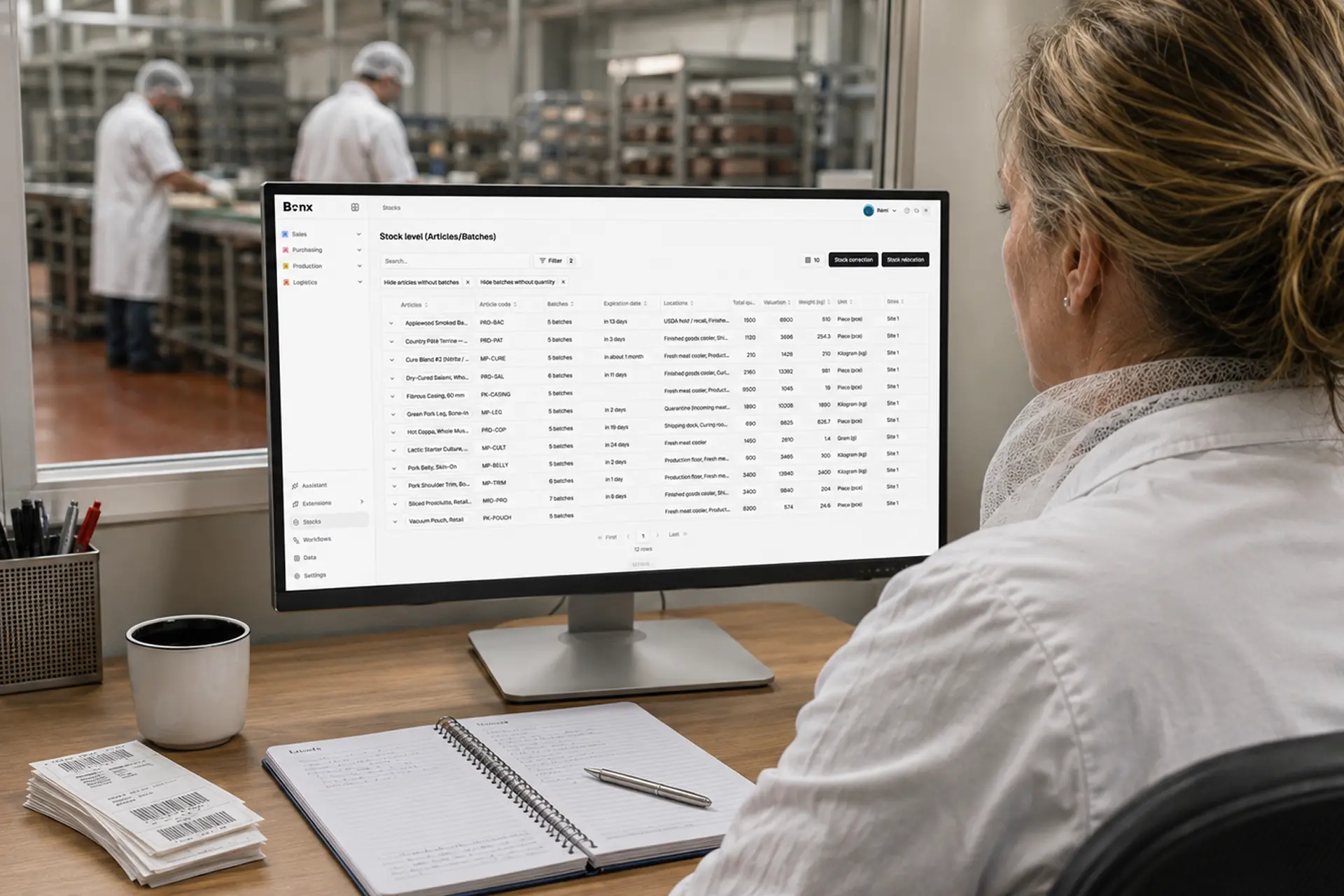
The food manufacturing ERP that takes the shape of your plant

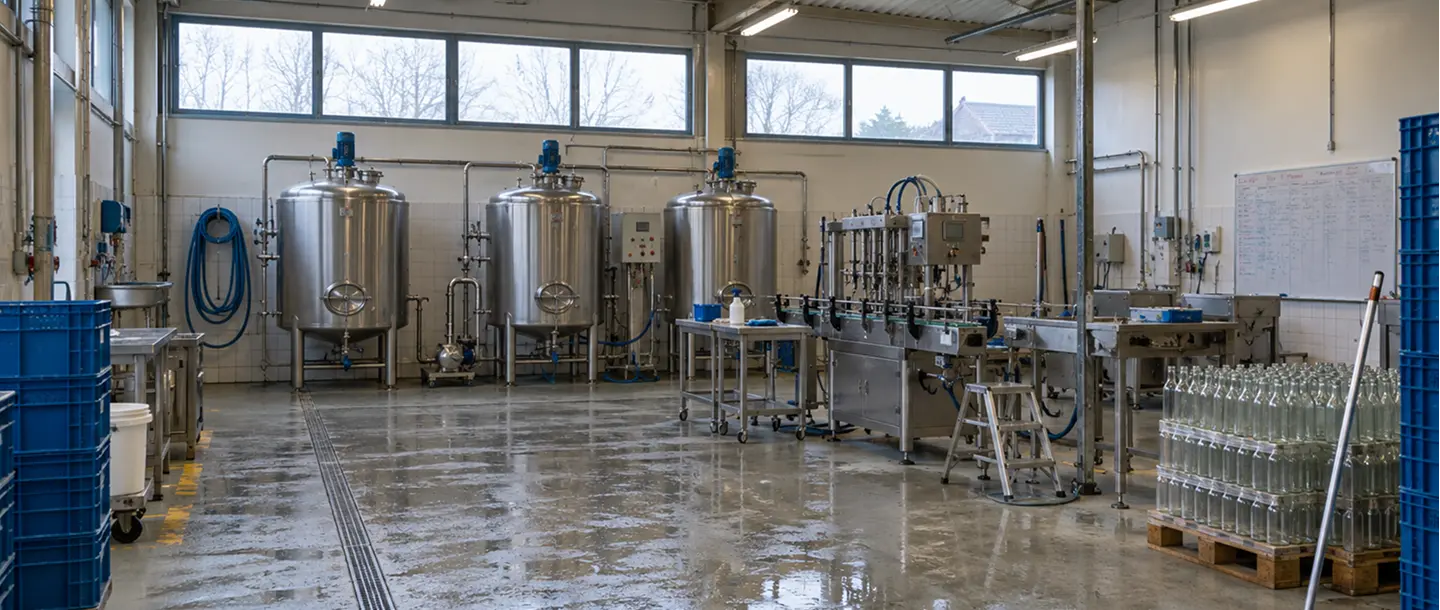


17 days
to move off Excel-based operations & deploy Bonx




100,000+ bottles tracked
from fermentation to cold storage

Bonx builds full upstream and downstream genealogy from what operators already record, then finds the lots to block, the stock to pull, and the customers to contact. If you let it, Bonx can place the holds and draft the customer notices too.

Retailer orders over EDI, online store orders, and emailed PDFs all come in as order lines automatically. Each order is matched against stock and planned production, so you know right away what ships from inventory and what still needs to be made.

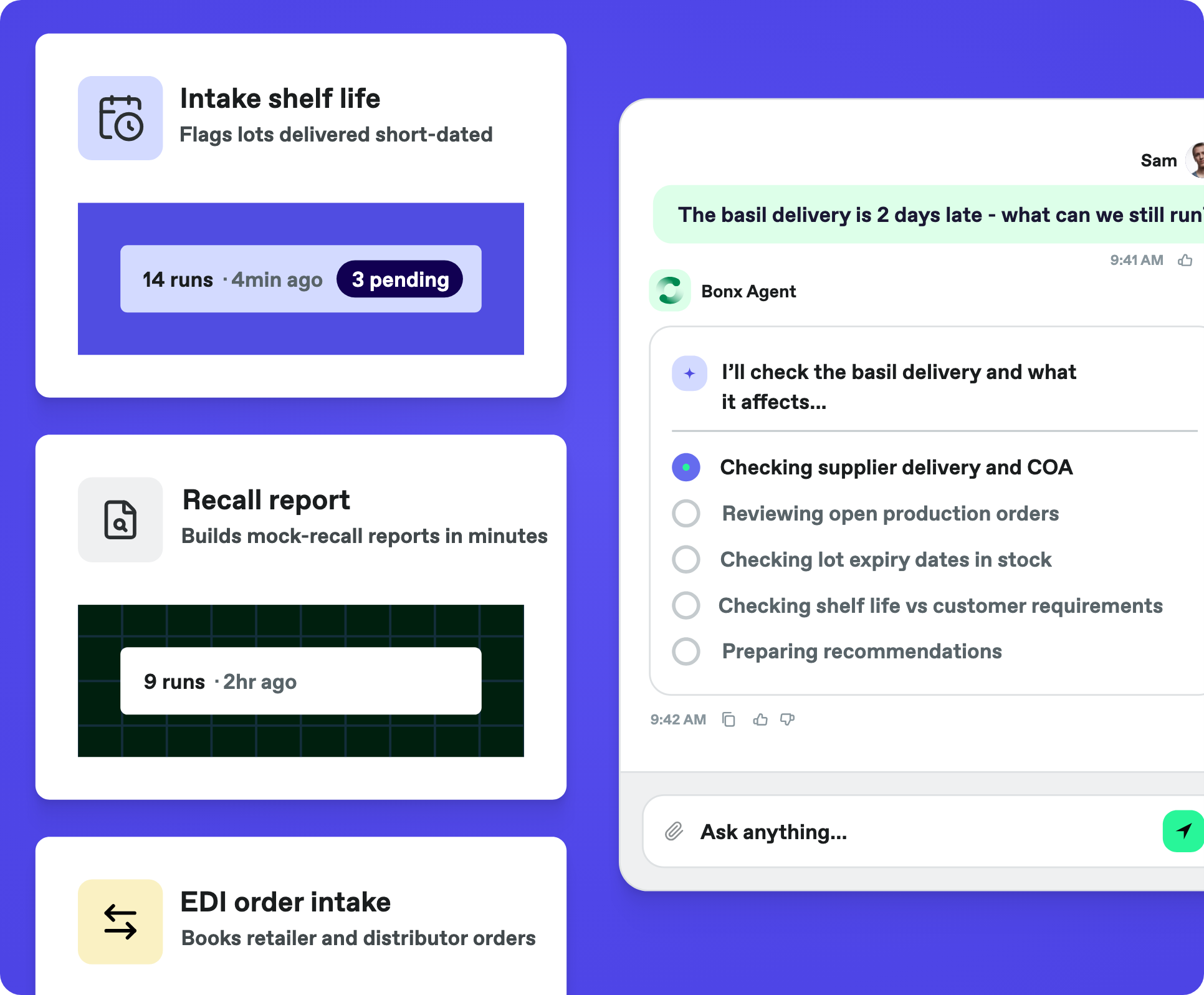
When an ingredient arrives late, a retailer adds an order, or a lot gets close to its date, Bonx shows which runs and orders are affected and builds a revised schedule. You decide whether it applies on its own or waits for approval.

Bonx connects to your scales, label printers, and other equipment on the floor so the actual weight of each case is recorded on the lot, printed on its label, and carried through to the invoice. Operators spend less time on data entry, and Bonx stays in step with the floor instead of hours behind it.

Bonx records every quality check, weighing, and production step as it happens, with who did it, when, and the result. Every batch and lot carries a precise timeline, so in an audit or a recall you can pinpoint where something went wrong without rebuilding it from paper.

When a retailer refuses to pay, claiming a delivery was short or wrong, Bonx checks the claim against what was produced, weighed, labeled, and shipped. It lays out the real story and what to do next: issue the credit, or push back with the evidence.
Live session | October 29, 2026
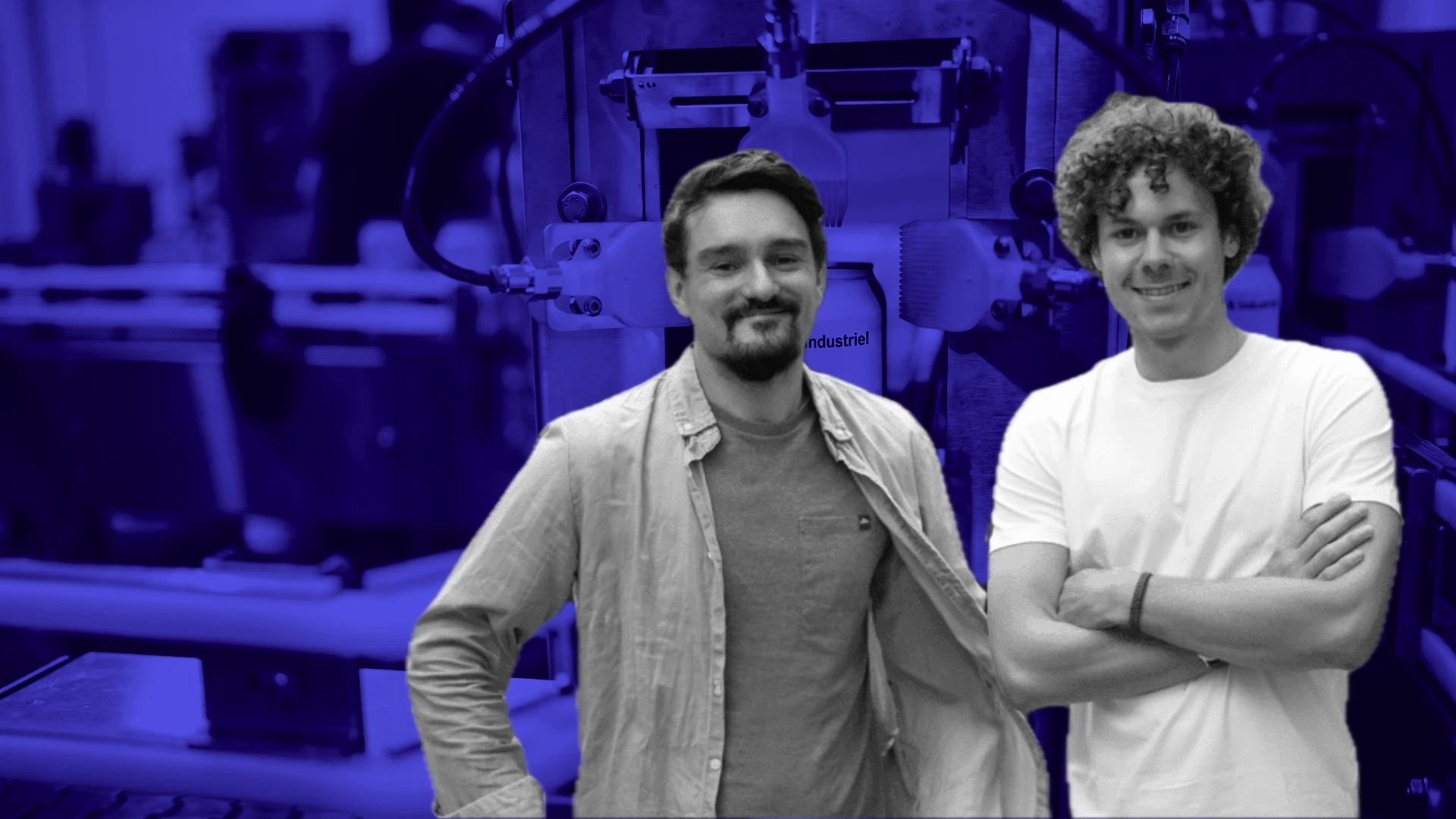
Every food ERP traces lots. Bonx goes further, taking routine planning, purchasing, and more off your team's plate. See it live with Bonx's co-founders.
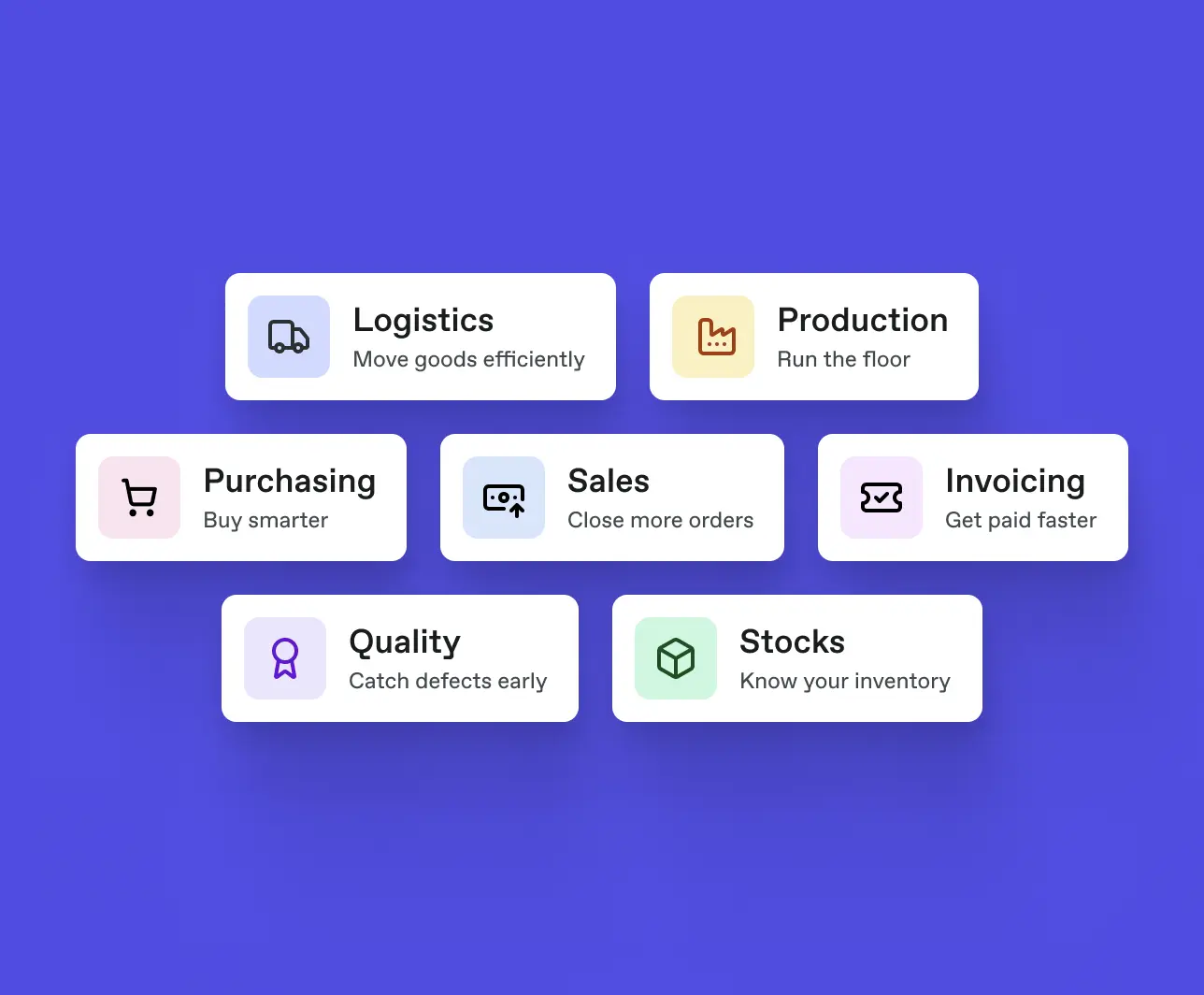
Core modules
Integration engine

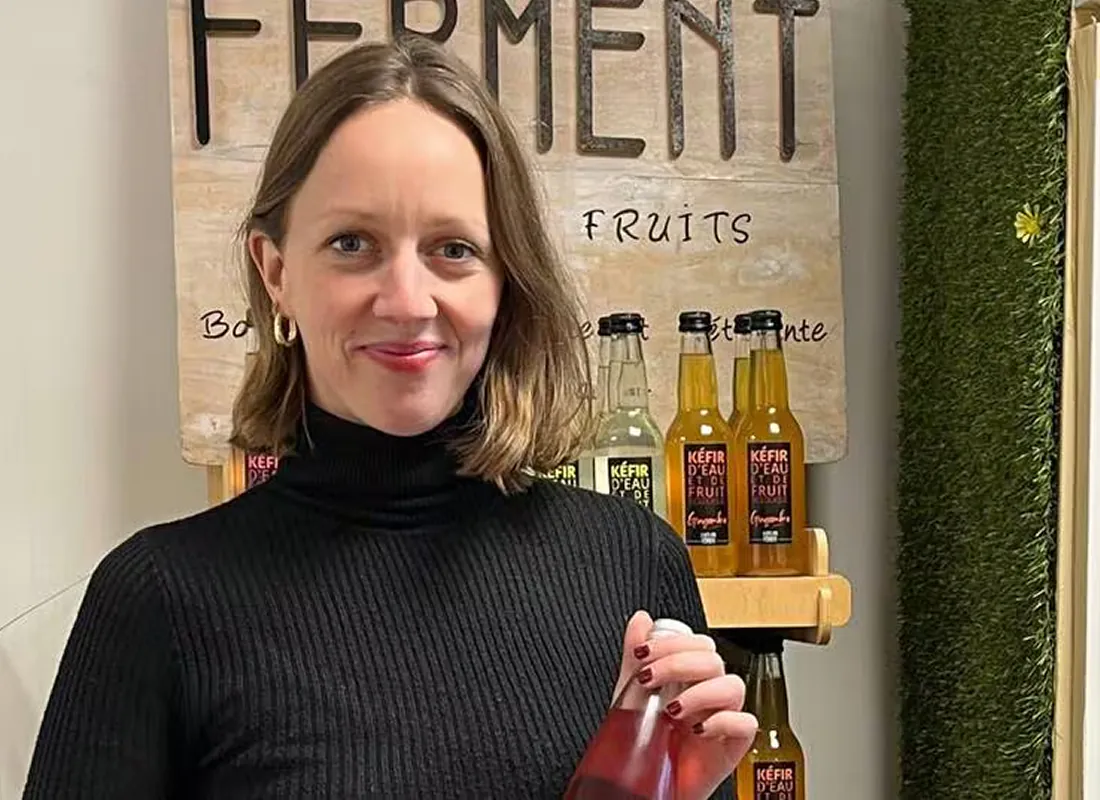
Marjolaine Nantillet
Founder at L'Atelier du Ferment

Gaëtan Duculty
Managing director at Salaisons du Mont Pilat
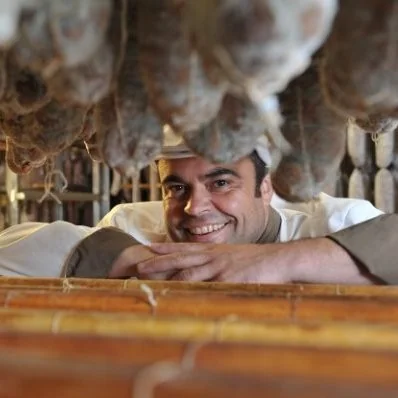

Brieuc Le Rochais
Founder at 450°C

David Nicolas
Founder at Féroce

Both. A mix, a dough, or a base carries its own use-by the same way a finished pallet does, so a five-day life on an intermediate is visible as stock and picked before the fresher one, instead of being found after it's gone.
Yes, and it's set per article. Perishable lots run first-expired-first-out, so Bonx prioritizes what's closest to its date and asks for an expiry at reception. For items where a date means little, like sugar or packaging, switch the article to first-in-first-out, and Bonx orders by the date it entered stock instead.
Bonx captures what the rule is built around: lot codes, the critical tracking events where food changes hands or changes form, and the key data elements attached to each one. Because operators declare them as they work, the records exist before anyone asks rather than being assembled afterward. More on what FSMA 204 requires of an ERP.
Often not. Several of our food customers run their control points, checks, and declarations in Bonx without separate HACCP or food safety software, because the checks sit on the production step instead of in a parallel system. What comes out is what an SQF or BRCGS audit asks to see. That said, if you already have a specialist tool your team trusts, Bonx connects to it rather than asking you to give it up.
Yes. A lot sits in a quarantine or hold location until someone releases it, and held stock never counts as available in Bonx, so sales can't promise it and picking can't take it. The release is a step with a name against it, recorded on the lot like any other operation.
Seconds, because the genealogy is assembled from what operators already declared rather than rebuilt from an archive. From one supplier lot, Bonx returns every batch it entered, every finished lot that came out, and every customer who received one, in both directions. That is what food traceability software has to do under pressure, and it only works if the data was captured during the work.
All three, and none of them. Bonx is one manufacturing ERP that configures to how you produce, rather than a different product per sub-sector. A bakery's semi-finished dough, a dairy's catch-weight cheese, and a brewery's tank-to-package yield come down to the same three mechanisms: lots that carry their own shelf life, units that differ between counting and billing, and a genealogy built as operators declare work. Whether or not your process is on that list, it's the same system underneath.
Yes, natively, carried on the lot from reception through to the dock. Pieces and weight stay attached to the same lot and follow it through every movement, so the count on the floor and the weight on the shipment come from one record rather than two.
Yes, and it's part of the deployment rather than a change request. Electronic data interchange (EDI) with the large retail chains is a standard pattern for our food customers, covering several message formats and several retailers, with despatch advice going back the other way.
10 weeks on average, and faster when the pressure is on. For example, Féroce went live in 42 days with zero operational interruption, shortly before a national television appearance multiplied their orders tenfold, and the traceability held. What it needs from you is one internal owner who knows how the floor runs, not a project team.
Bonx invoices natively, including legal gap-free numbering, line-level tax, the PDF, and e-invoicing where it's legally required.
That said, Bonx is not a finance ERP. We think manufacturing ERP and finance ERP should stay separate, and Bonx is built that way on purpose. There is no general ledger, no accounts payable or receivable, no bank reconciliation, and no financial close. The coded invoice goes to your accounting tool, which posts it and keeps the books.