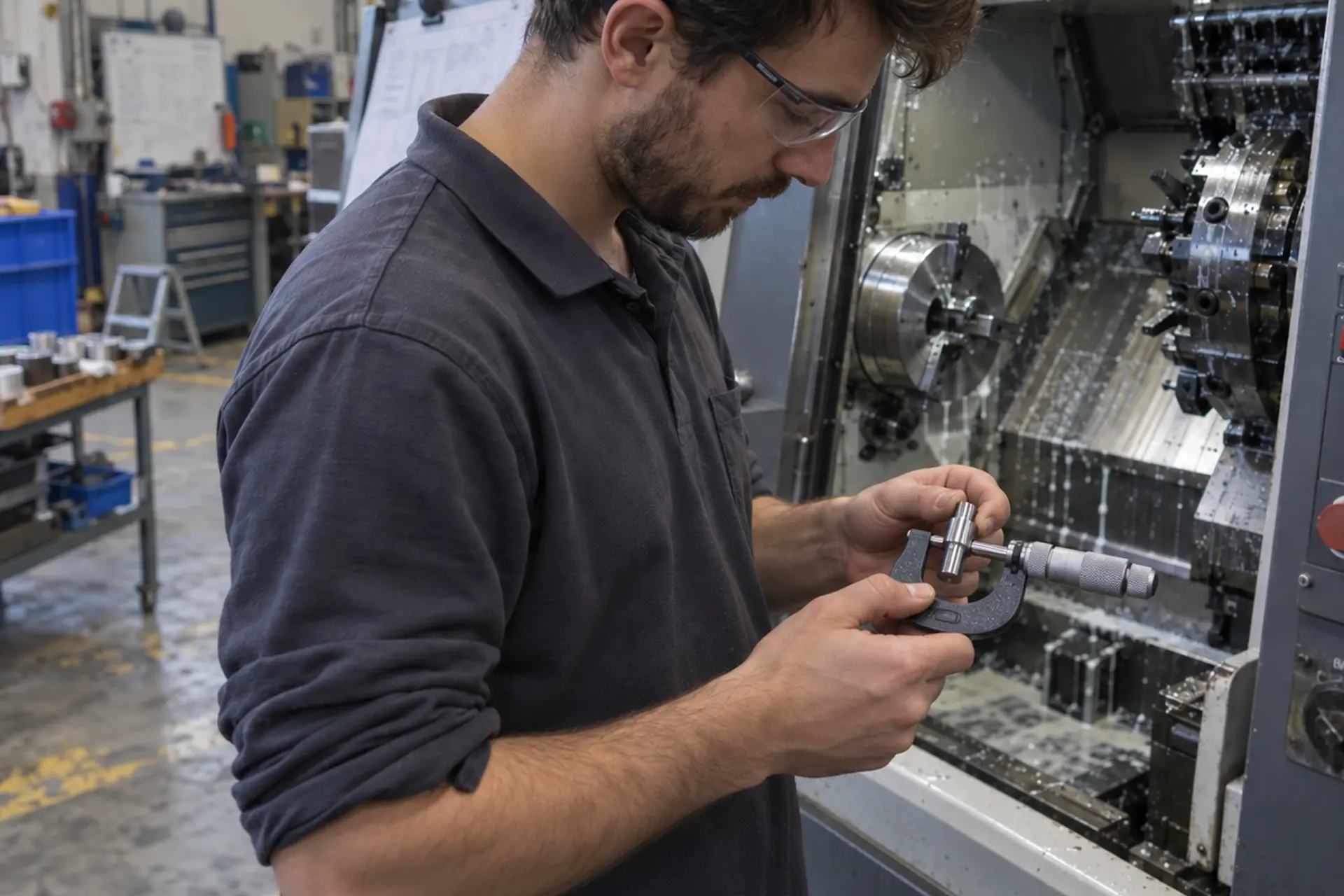
The ERP built for CNC machine shops & precision manufacturers

Hours land on the operation as the work happens, against the time the quote assumed. The gap shows up on the job, not once a year at inventory.
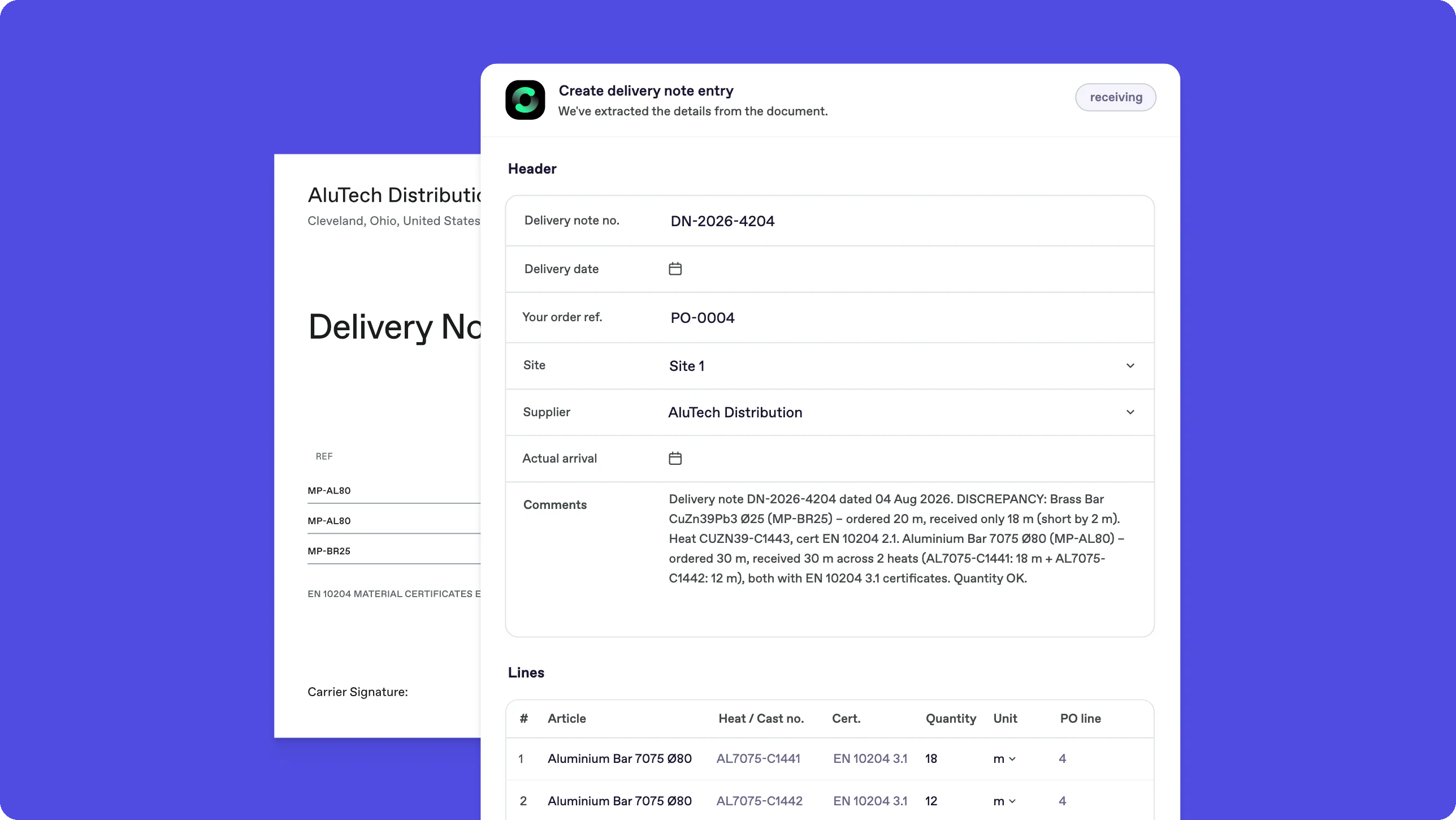
The mill certificate is attached to the bar at reception and follows every part cut from it, so the customer who demands it gets it without anyone digging through a folder of scans.
Drawing, sketch, or spreadsheet attaches to the part itself, with the bill of materials and the price built on it, not in a spreadsheet that lives beside it.
Load per machine and per operator against what's already committed, so taking the job, quoting a longer lead time, or sending it out is a decision with numbers under it.
Heat treat, plating, and anodizing sit as steps inside your own job, with the parts that left, the parts that returned, and a delay at the treater landing on the order.
The drawing opens on the step the operator is running, and a new revision supersedes the old one everywhere it's in use.
Core modules
Integration engine
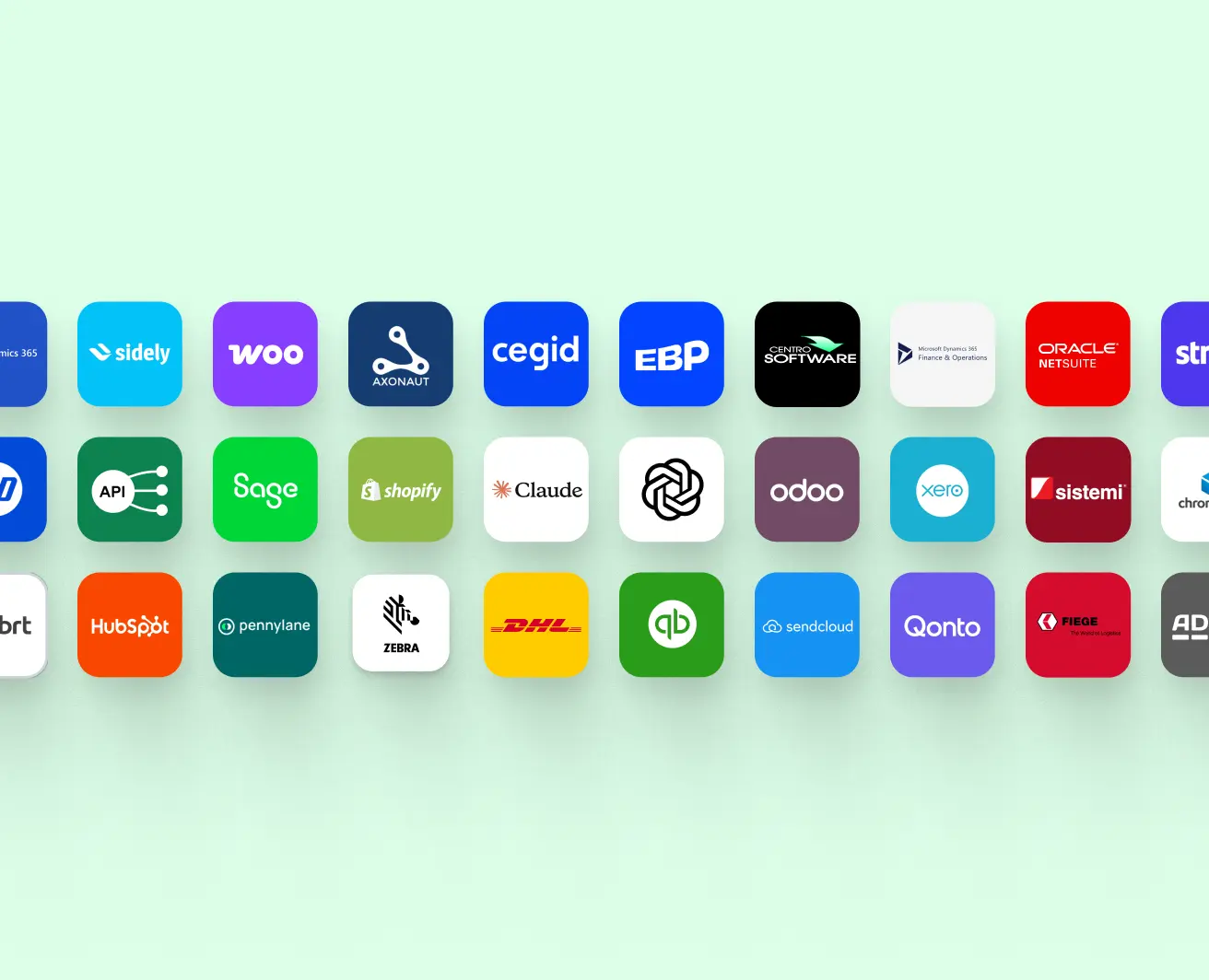
A full ERP. Most job shop software runs the shop floor and stops at the quote, while most machine shop software handles scheduling and knows nothing about what anything cost. Bonx covers quoting, order management, inventory, purchasing, planning, production, quality, and shipping in one system, which is also what precision manufacturing software has to do once a customer starts asking for certificates.
From the customer's file. The drawing, sketch, or spreadsheet attaches to the article, the bill of materials and the routing are built on it, and the price follows from the two. When the same part comes back a year later as a repeat or a modification, the quote you sent last time is still attached to it.
Yes, as a step in your own routing. Heat treat, plating, and anodizing carry the date the parts left, the date they're due back, and the operations waiting on them, so a slipping subcontractor shows up as a slipping delivery date instead of a surprise.
Yes, inside the step they're working on. The print opens in the operator's form rather than living in a folder or on a bench, which is the whole point: a shop doesn't lose money on the revision nobody had, it loses money on the revision somebody had and didn't know was superseded.
Through files and the API, yes; by reading your 3D models, no. Bonx keeps the drawing attached to the part and shows it to the operator at the step where the work happens, and its open API takes whatever your CAM can export. A live two-way link is something we would scope with you.
For everything those systems do on the shop floor and around it (quoting, routings, jobs, inventory, purchasing, quality, shipping) yes. What shops tell us about legacy job shop software is that changing anything means calling the vendor, and Bonx is built so your own team makes the change.
What Bonx deliberately doesn't replace is the accounting half. The invoice is coded and handed to your accounting tool, which keeps the books.
Bonx invoices natively, including legal gap-free numbering, line-level tax, the PDF, and e-invoicing where it's legally required. A partial delivery can ship and invoice on its own, so 200 finished parts don't wait on the other 800.
That said, Bonx is not a finance ERP. We think manufacturing ERP and finance ERP should stay separate, and Bonx is built that way on purpose. There is no general ledger, no accounts payable or receivable, no bank reconciliation, and no financial close. The coded invoice goes to your accounting tool, which posts it and keeps the books.