The textile ERP that takes the shape of your workshop
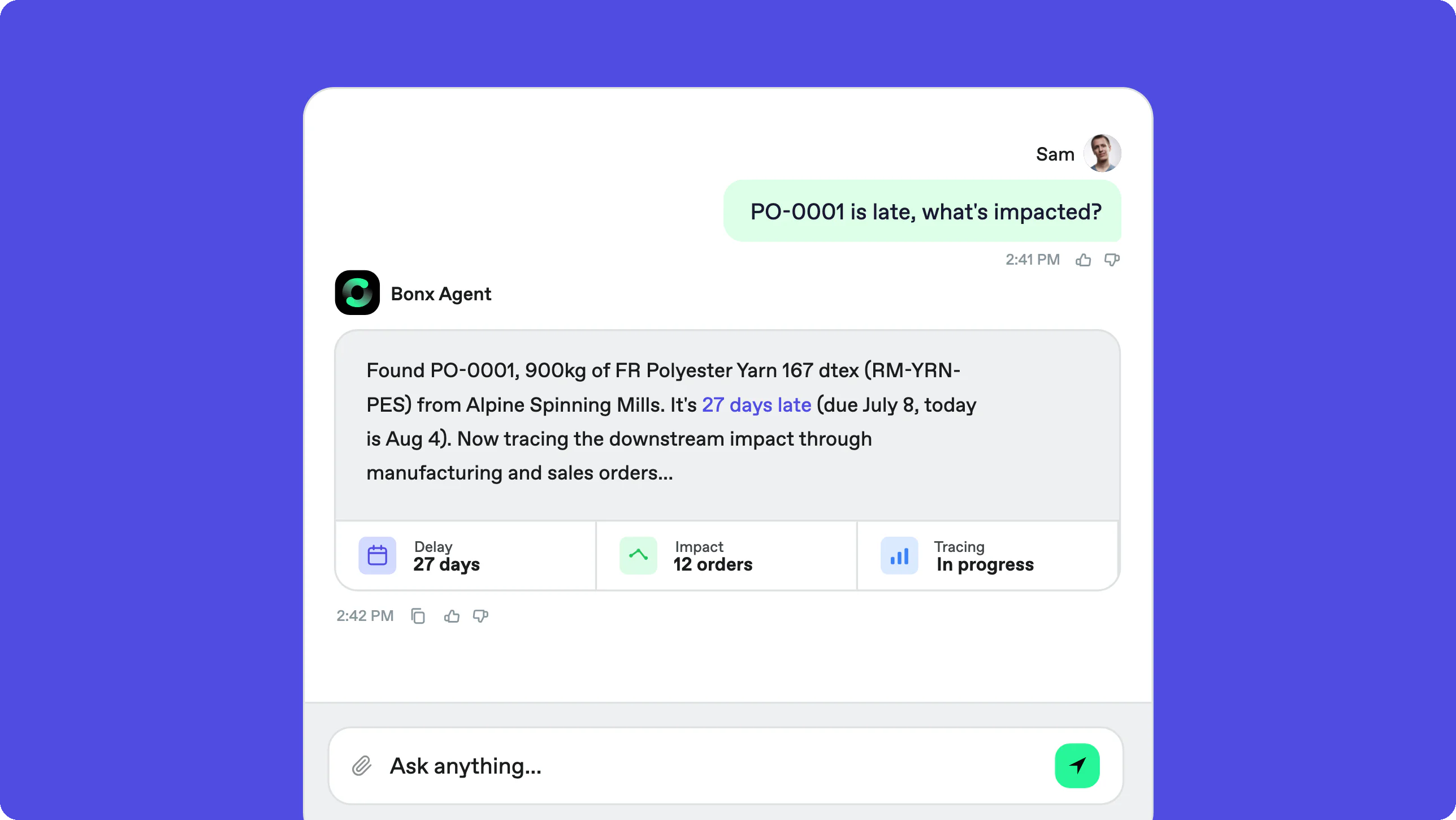
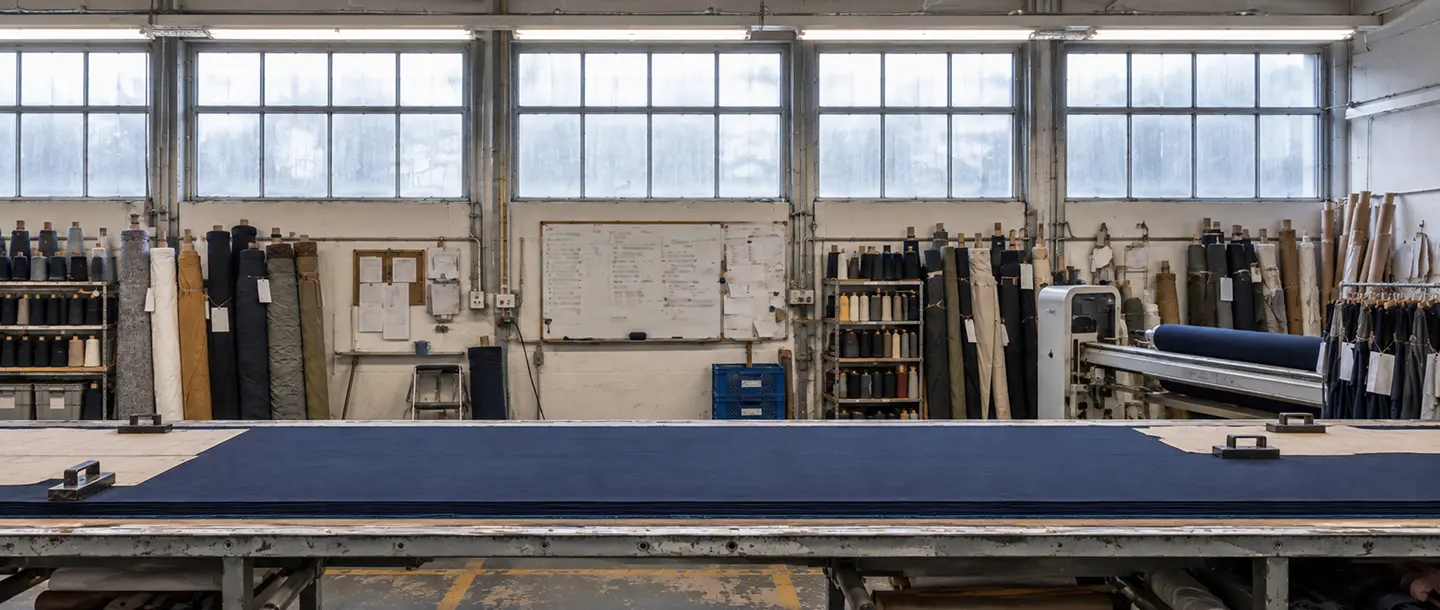
Each roll is its own lot with its own remaining length, whether woven here, bought in, or dropped off by a client.
Material a brand sends for cut-and-sew, printing, or marking is received, consumed, and returned on their job, without ever entering your own valuation.
Dyeing, washing, embroidery, or contract sewing as a step in your order, with the material that left, the pieces that returned, and the gap between them.
Defects logged at reception and at each step, so a flaw in the cloth isn't discovered after everyone has already worked on it.
Variants inherit the model's bill of materials (BOM) and cost, so you follow one order while the operator gets the detail for the piece in front of them.
Rework, re-runs, and finishing recipes recorded on the order they belong to, instead of an Excel at the finishing shop.
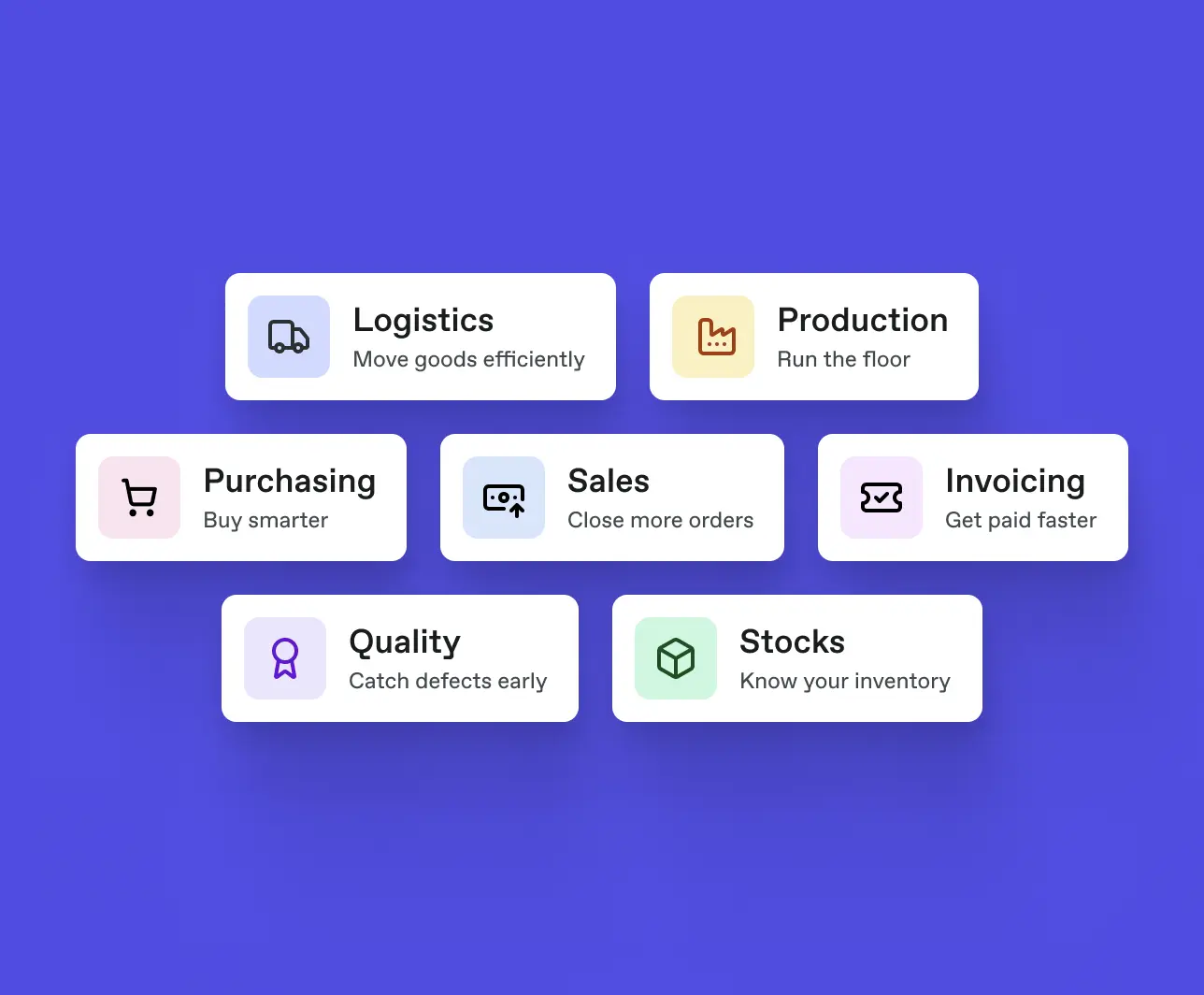
Core modules
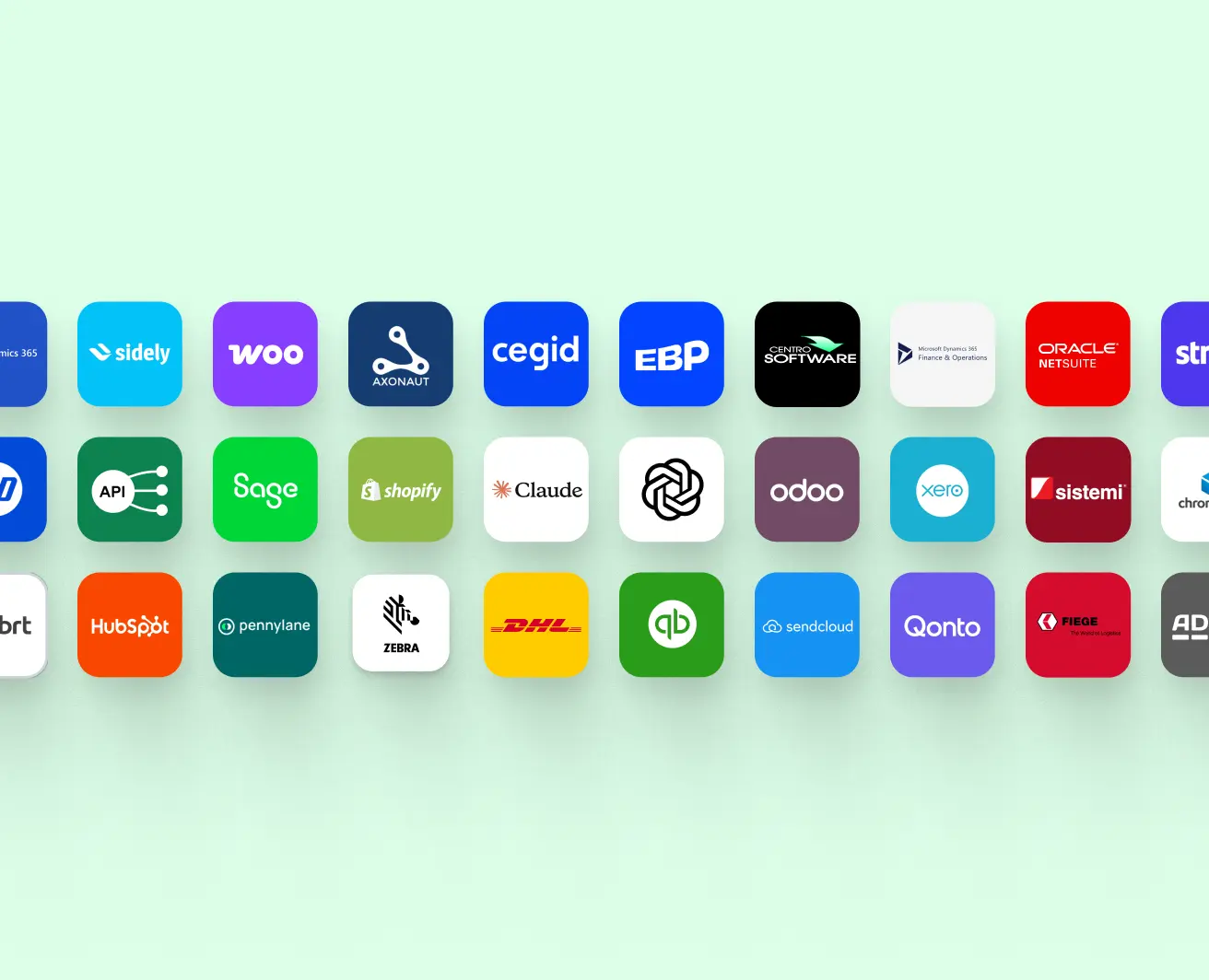
Integration engine
One model, not 400 codes. Size, color, and fabric are attributes on the model, and the variants come from those. Add size 46 next season and you add one attribute value, not a new set of articles. Variants share the model's bill of materials and costing, and either one can be overridden where a size or a fabric genuinely differs.
A full ERP. Most apparel ERP software either handles the commercial side and stops at the factory door, or runs production and knows nothing about your order book. Bonx covers order management, inventory, purchasing, planning, production, quality, and logistics in one system, so a garment or sewn goods manufacturer isn't bolting a production tool onto a fashion ERP that was never built for the floor.
Yes. Size grids live in their own table, get updated from last season's sales, and attach to the products that use them, so production quantities break down across XS to XL without anyone doing it by hand. The grids are set up during deployment, then your team maintains them (without weeks of work, extra cost, or IT resources).
Yes, as steps inside your own manufacturing order. Sending fabric out to be dyed or printed is a process step with its own timing, materials, and status. Material sent out stays material you can account for, and a delay at the dyer shows up as a delay on the order.
Yes. Each article carries its own unit, so fabric is held in meters/yards or by the roll while trims are counted in pieces and finished garments in units. Consumption comes off the bill of materials at the step where the fabric is actually cut, not at the end of the job.
With Bonx, defects get caught at the step where they happen, in the categories you define: material, weaving, dyeing, cutting, customization, finishing. A material fault found at final inspection means every operation after the fault was paid for twice, so capture sits at the operation rather than at the end, with the photo attached where a written description won't do.
Our customers deploy Bonx in 10 weeks on average. For example, Nervures went live with Bonx in three sprints: existing systems connected first; then production with manufacturing orders, scheduling by operator, and materials planning; then quality checklists and performance tracking. What deploying Bonx requires from you is one internal owner who knows how the floor runs, not a project team.
.webp)