The jewelry ERP that takes the shape of your atelier

Bonx is the AI-native manufacturing ERP that learns how you work, becoming more useful over time. When your system handles reserving the stone against the order, pricing the piece as it's configured, and writing the work order (with the metal, the setting, and the deadline on it), your people have more time for what matters most.

From bespoke commissions to fine jewelry to watches, jewelry manufacturers trust Bonx

0 manual data re-entry

between sales, production, and accounting

1
/
12

Built for how jewelry & watch manufacturing actually runs

ORDERS: Configure the piece at the order, not in a spreadsheet

Model, metal, finish, size and any stones become a real article with its own bill of materials instead of living in a hard-to-maintain assembly sheet.

STOCK: Account for the metal a client supplies

Gold, silver, or stones sent in by a house or a private client are consumed on their job and kept apart from your stock and your valuation.

COSTING: Price the work before you make it

Metal weight, components, stones, and bench minutes roll up per piece or per run, instead of a pricing workbook nobody else can open.

SHOP FLOOR: Know where the work is when someone calls

Each piece scanned at casting, polishing, plating, or setting, including work that has left the building for the assay office or an outside workshop, with the date it's due back.

INTAKE: Take orders however they arrive

A house's purchase order, a boutique's replenishment, and a web order land in the same book, instead of three systems that don't speak to each other.

TRACEABILITY: Keep the certificate with what you shipped

Stone reports, assay documents, and certificates hang off the lot (whether that's one bespoke ring or a run of 200 studs) and can be reissued when a client or a house asks years later.

Explore Bonx, the AI-native jewelry ERP

Core modules

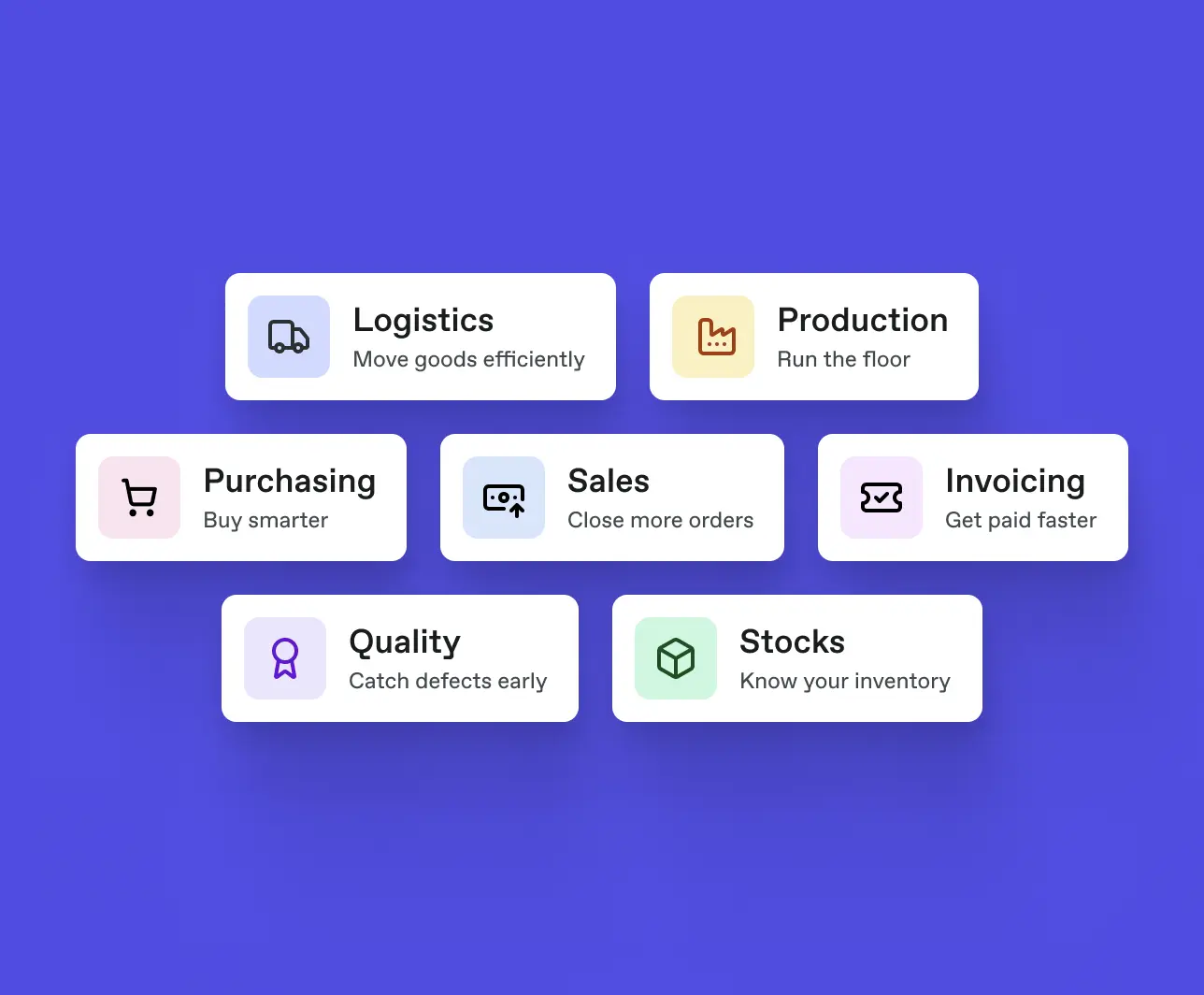
Everything jewelry & watch manufacturers need to run operations

Integration engine

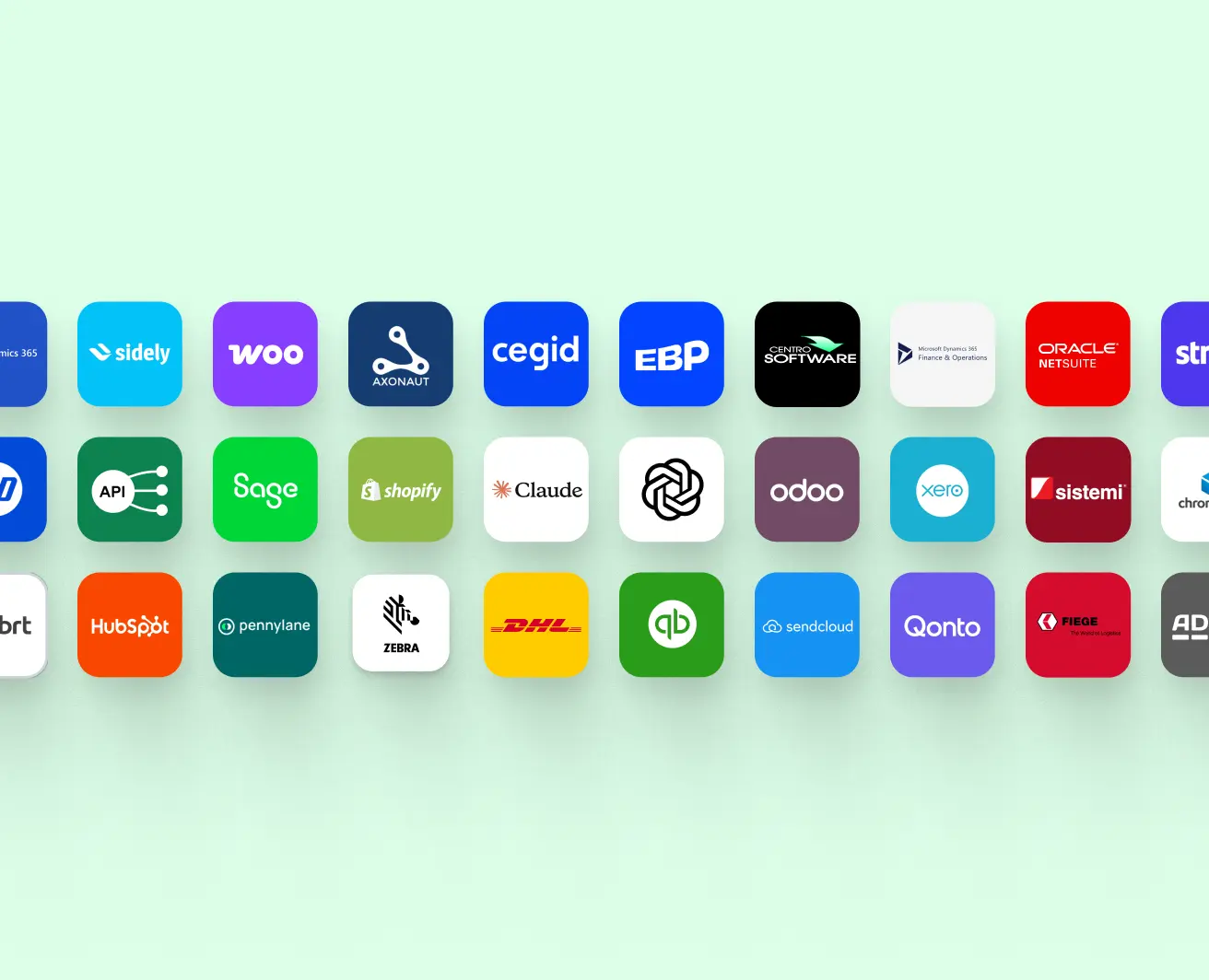
Connect to your boutique till, e-commerce, CRM, accounting tool, bench scales & more

Bonx intelligence

Let AI handle the routine

Discover why operators love Bonx
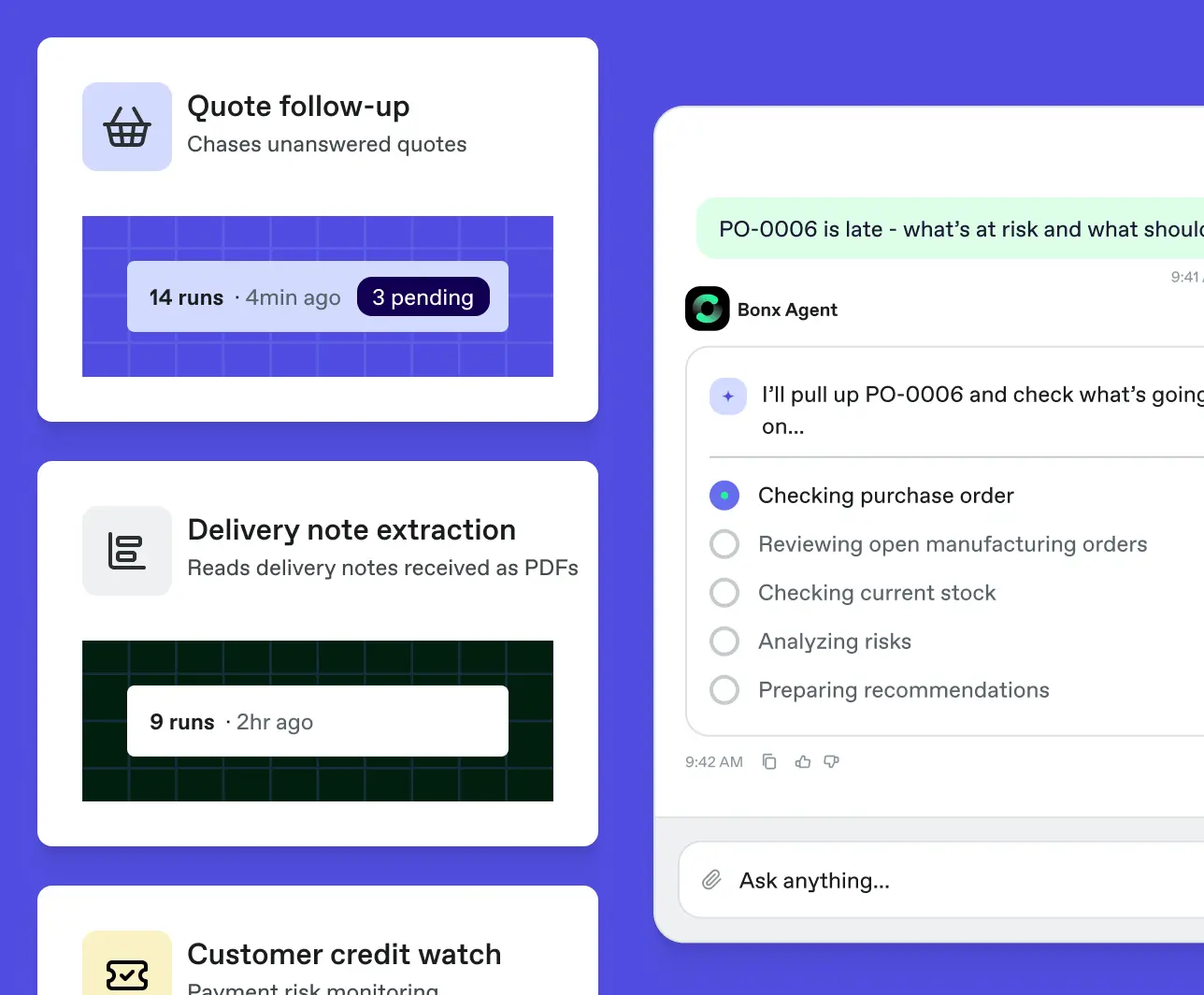
Bonx Agent cards for quote follow up and delivery note extraction beside a chat window.

FAQ

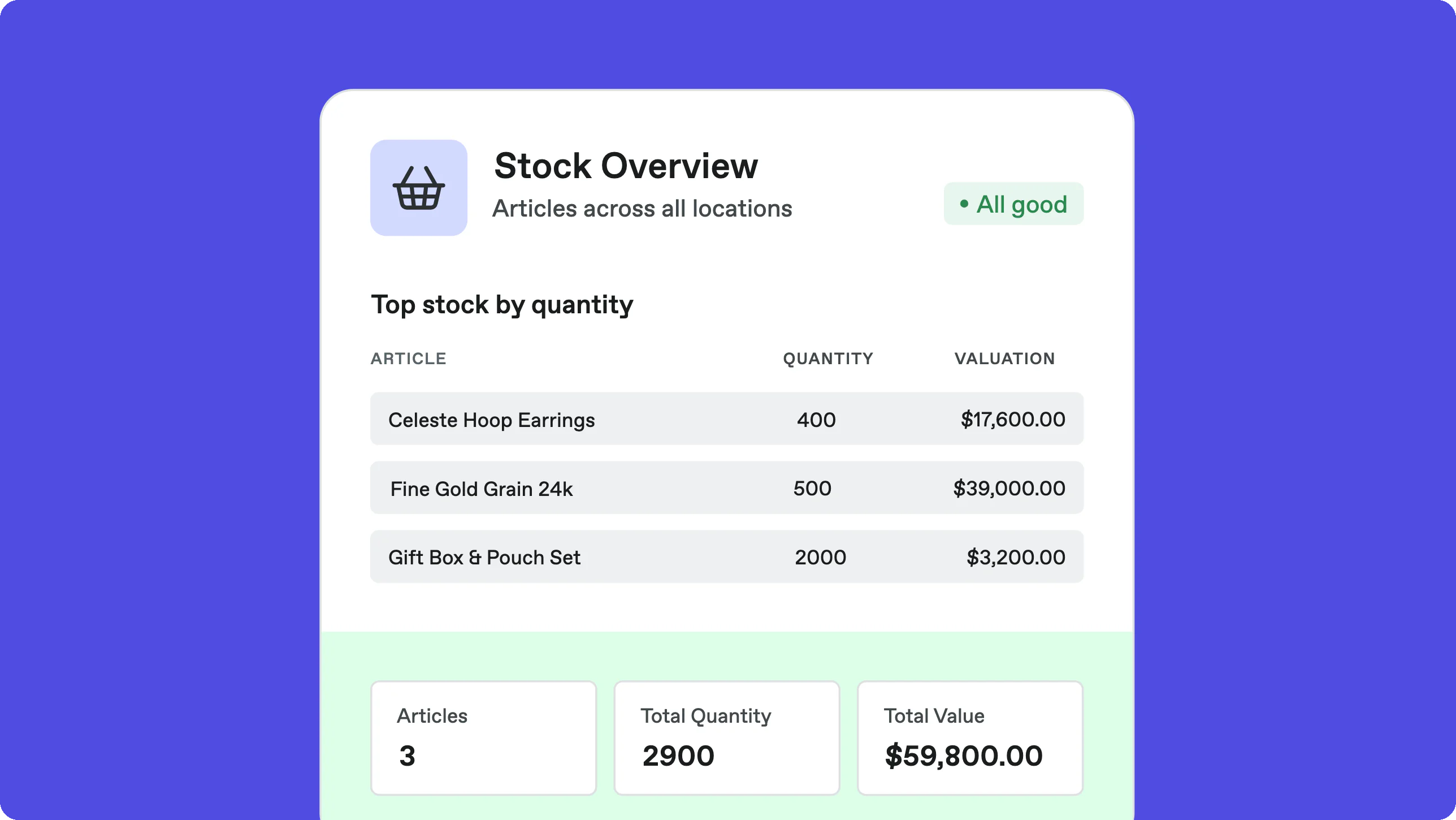
It includes it, and inventory is where jewelry gets hard. Loose stones sit as individual assets with weight, grade, and certificate rather than a quantity on a line. Metal is tracked by weight and karat. Each finished piece is its own lot. What you don't get is a standalone stock tool: inventory here is part of the system that also runs the orders and the bench.

A full ERP. Most jewelry production software runs the workshop and knows nothing about the order that started it, and most retail tools do the reverse. Bonx covers order management, inventory, purchasing, planning, production, quality, and logistics in one system, so a bespoke commission and a wholesale batch move through the same place.

Yes, before production starts. A stone committed to an order stops counting as available, so it can't be quoted, planned, or set into something else. That's the difference between knowing you own a 1.2 carat stone and knowing which client it belongs to.

It's received, consumed, and returned on their job, and kept out of your own stock and valuation throughout. The piece it goes into carries the record of whose metal it was, which is what makes the conversation at the end straightforward.

Yes. Watch manufacturing software has the same shape as jewelry: serialized pieces, high-value components reserved against specific orders, long bench operations, and a service life measured in decades. Movements, cases, and straps behave like stones and settings for the purposes of an ERP.

Yes, and the fine jewelry ERP question usually comes down to whether the system can handle one-off pieces without treating them as exceptions. Amantys runs bespoke production across two boutiques and one workshop on Bonx, with every custom order generating a complete work order carrying metal, stone, technical characteristics, and deadline.

In Bonx, they live on the piece and the stone as part of the record, not in a folder someone has to find. A certificate attaches to the loose stone and follows it into the finished piece, so a resale or a repair years later can still show what was set and when.

No, and running them separately is how the two get out of step. With Bonx, metal is tracked by weight and karat, loose stones sit as individual assets with their grade and certificate, and both are committed to orders in the same system that plans the bench.

10 weeks on average. What it needs from you is one internal owner who knows how the bench works, not a project team, and your own people can change the system afterward without a consultant.

Bonx invoices natively, including legal gap-free numbering, line-level VAT, the PDF, and e-invoicing where it's legally required. A commission can take a deposit at the order and the balance on delivery, both reconciled against the same piece.

That said, Bonx is not a finance ERP. We think manufacturing ERP and finance ERP should stay separate, and Bonx is built that way on purpose. There is no general ledger, no accounts payable or receivable, no bank reconciliation, and no financial close. The coded invoice goes to your accounting tool, which posts it and keeps the books.