“Bonx adapted to our system, not the other way around.”
David Nicolas
Founder at Feroce


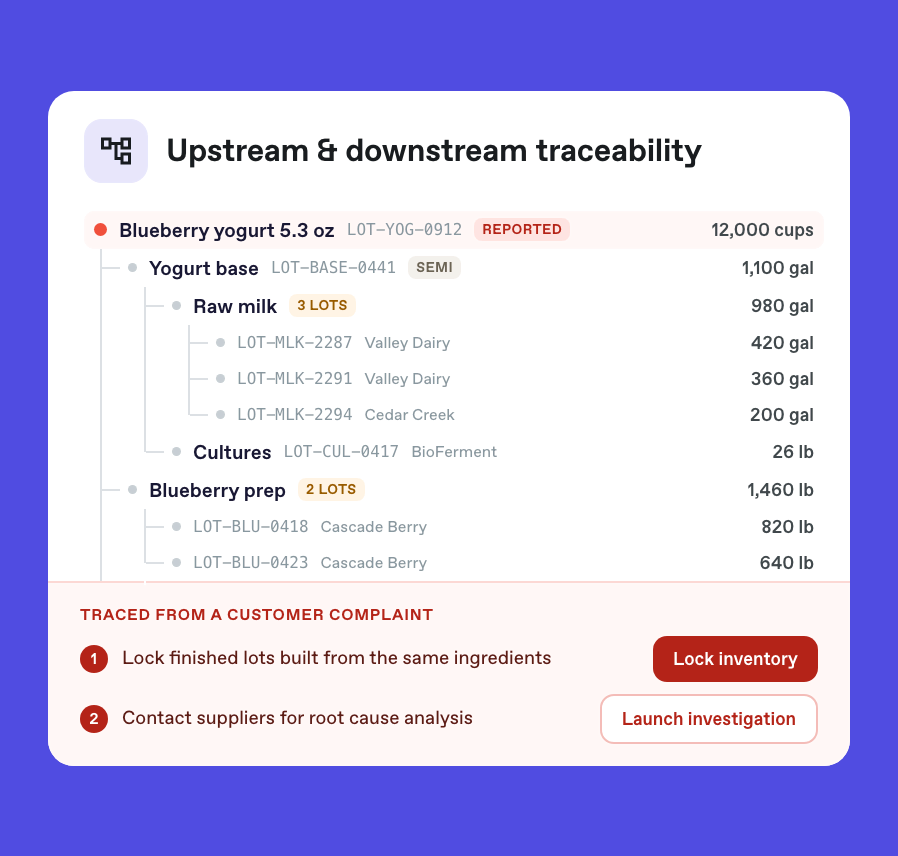
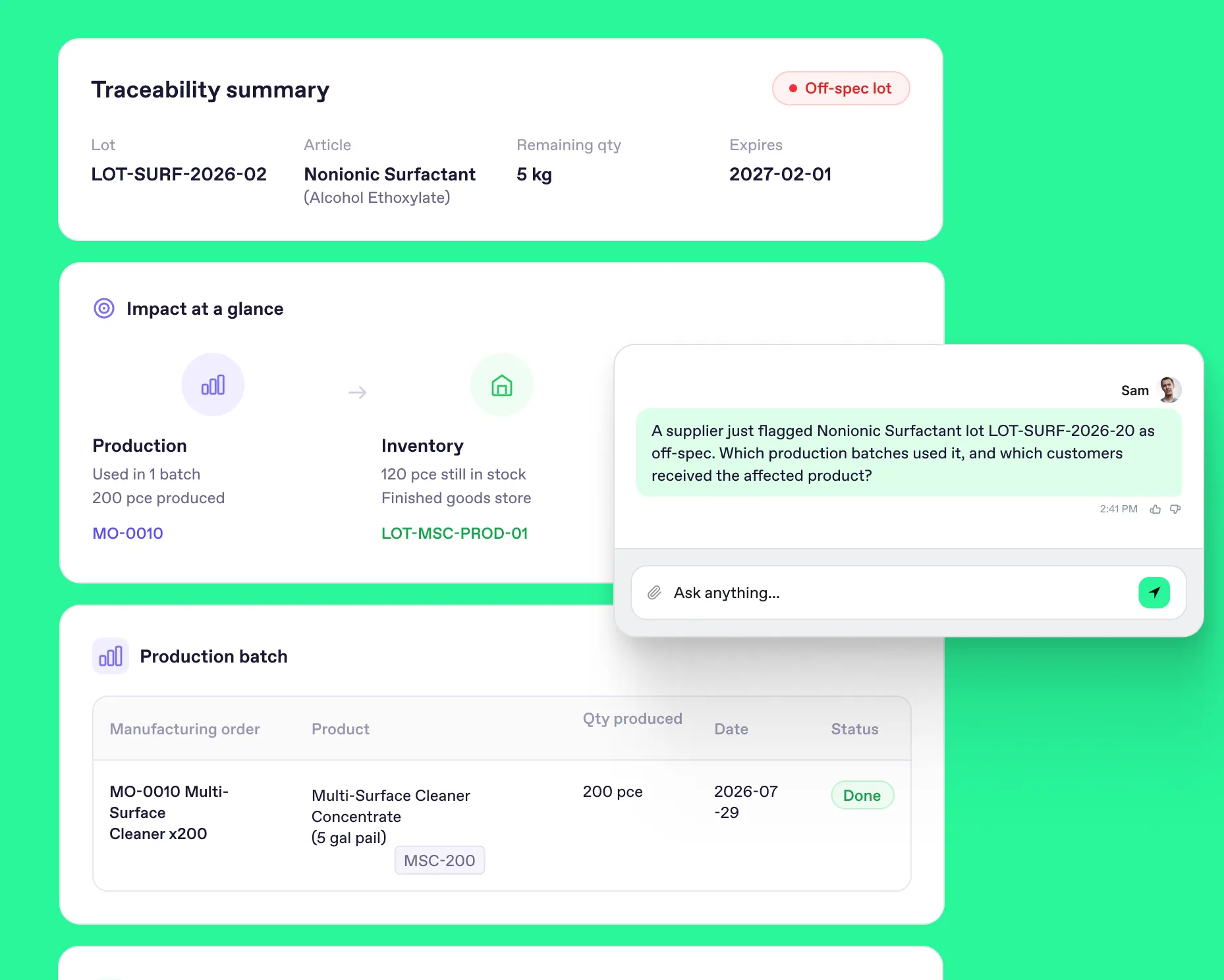
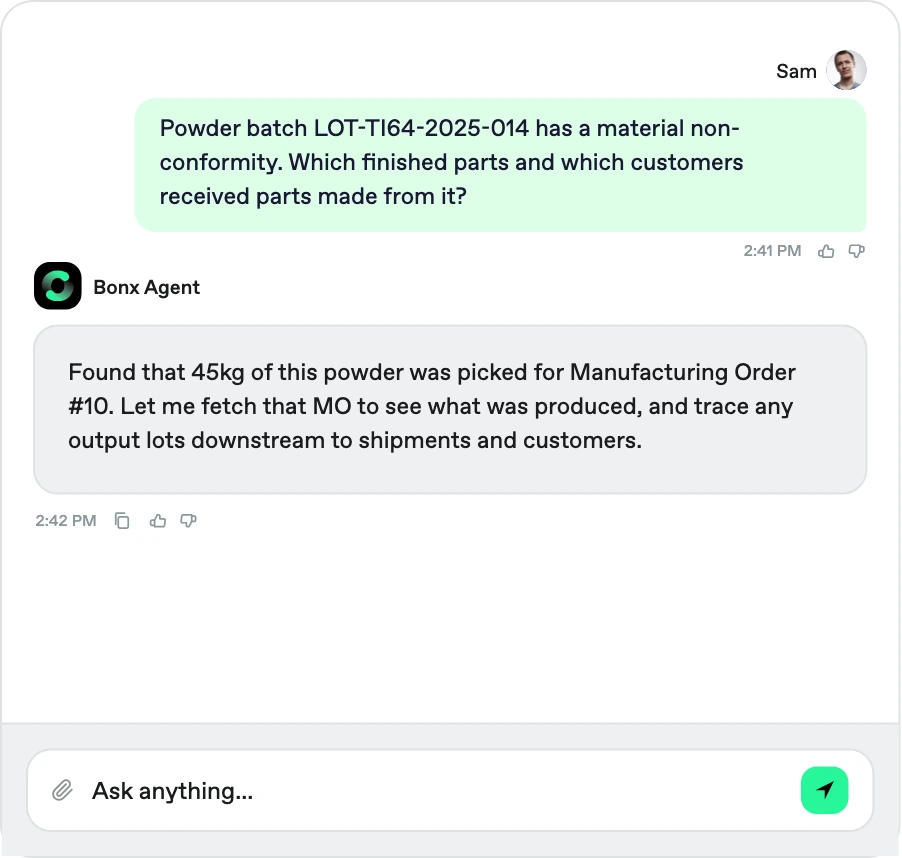
Lot 88-B went into three batches. Here's every customer who received them.
The order shipped this morning. The invoice is generated, numbered, and ready to send.
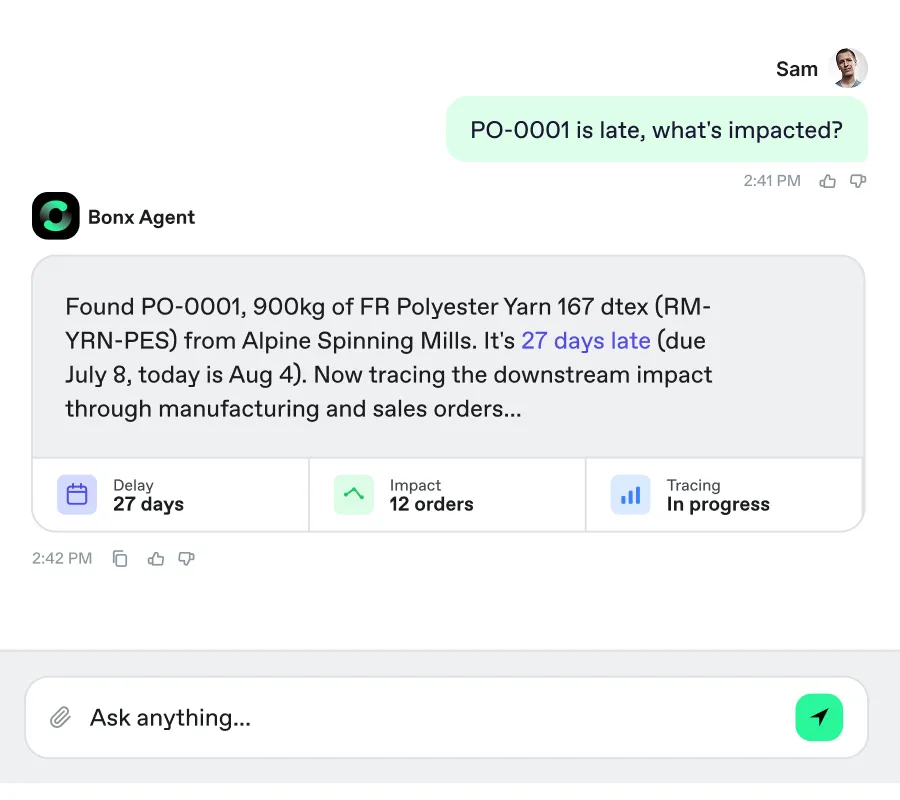
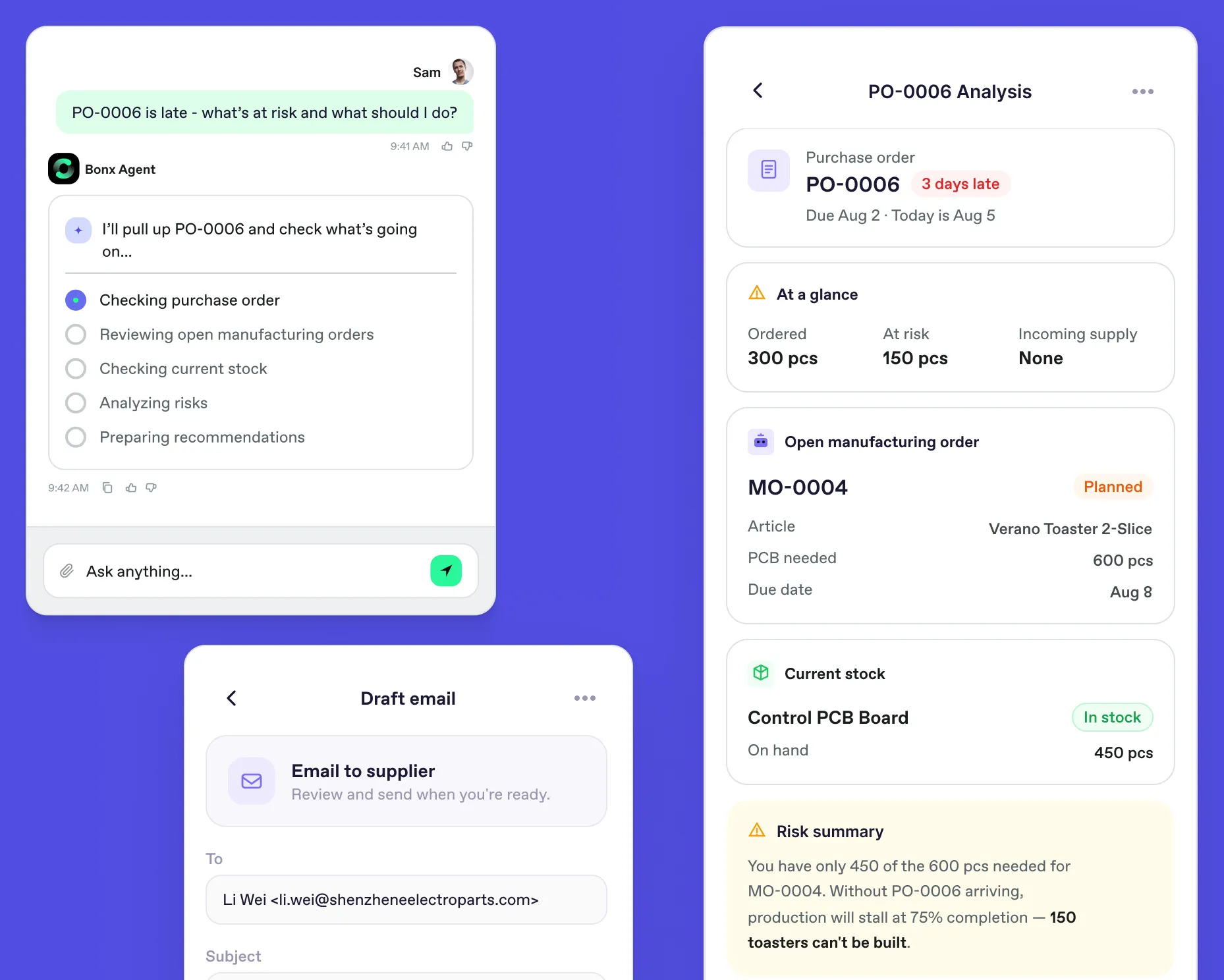
Your supplier confirmed 12 days. They've averaged 19 this year.
The blue dye runs out Thursday. The reorder needs to go today.
Nobody has touched this work order in two days. It's blocking four others.


100,000+ BOTTLES TRACKED
from fermentation to cold storage

42 DAYS TO DEPLOY
without interrupting operations


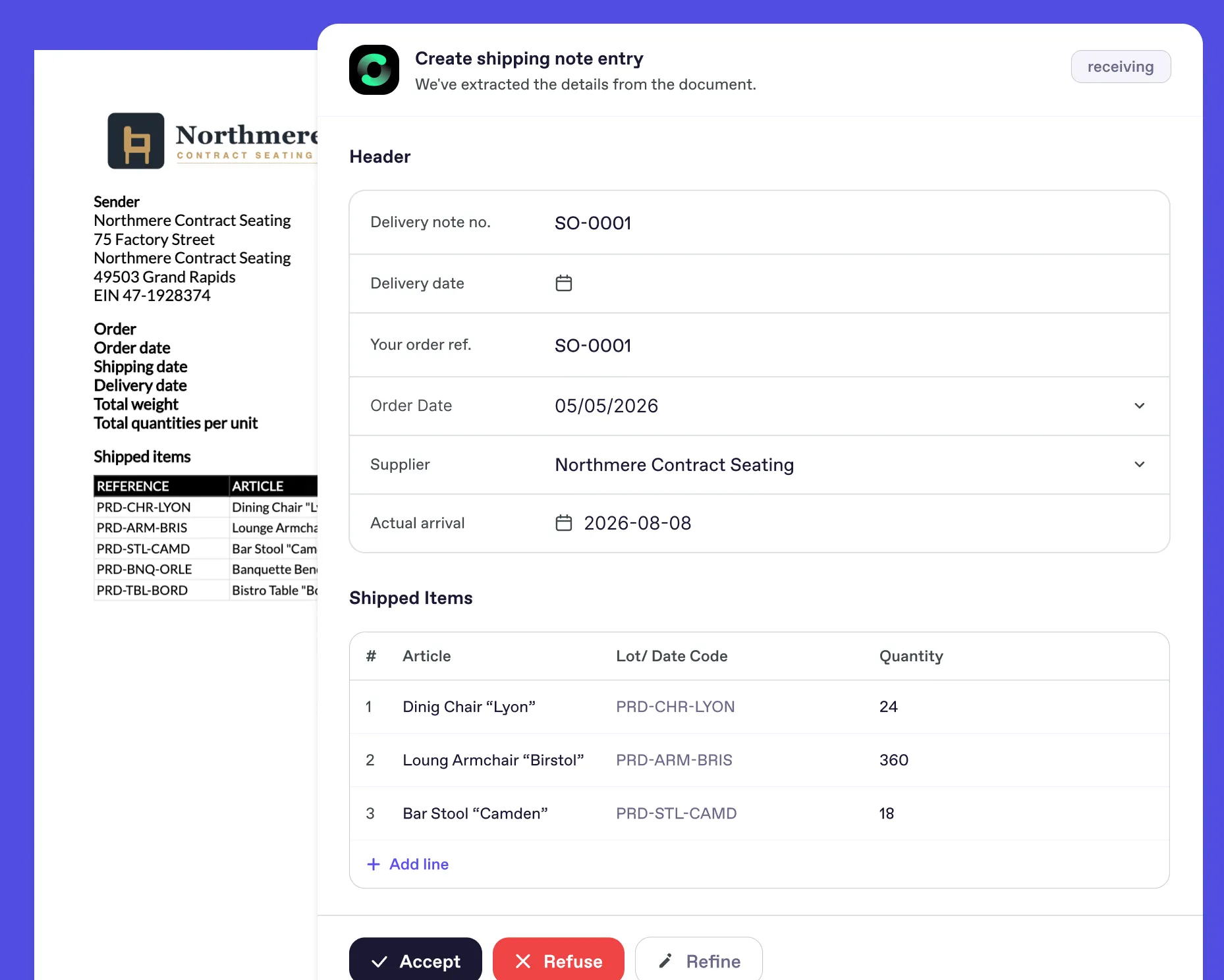
0 DATA RE-ENTRY
between sales, production, and finance

2 MONTHS TO DEPLOY
with a native integration to HP 3D printers


15% INCREASE IN SALES
after deployment
David Nicolas
Founder at Feroce




Sofia Gazzotti
General Manager at So-Le Studio


Romaric Duretz
Site Director at La Maillecotech



William Avignon
Head of Operations at Recyc Matelas



Romain Adamowicz
CEO at SomethingAdded


integration engine
Bonx intelligence
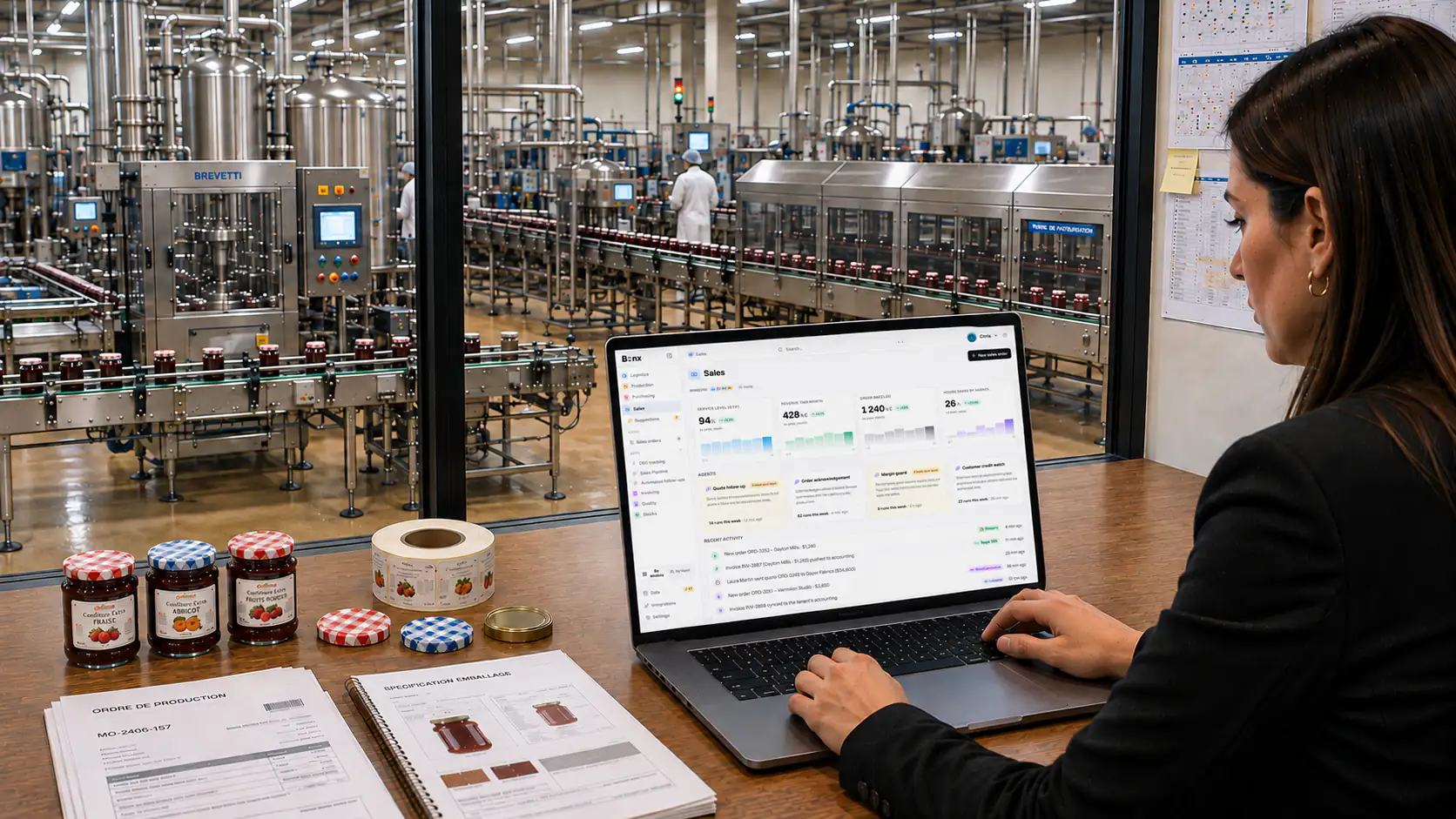
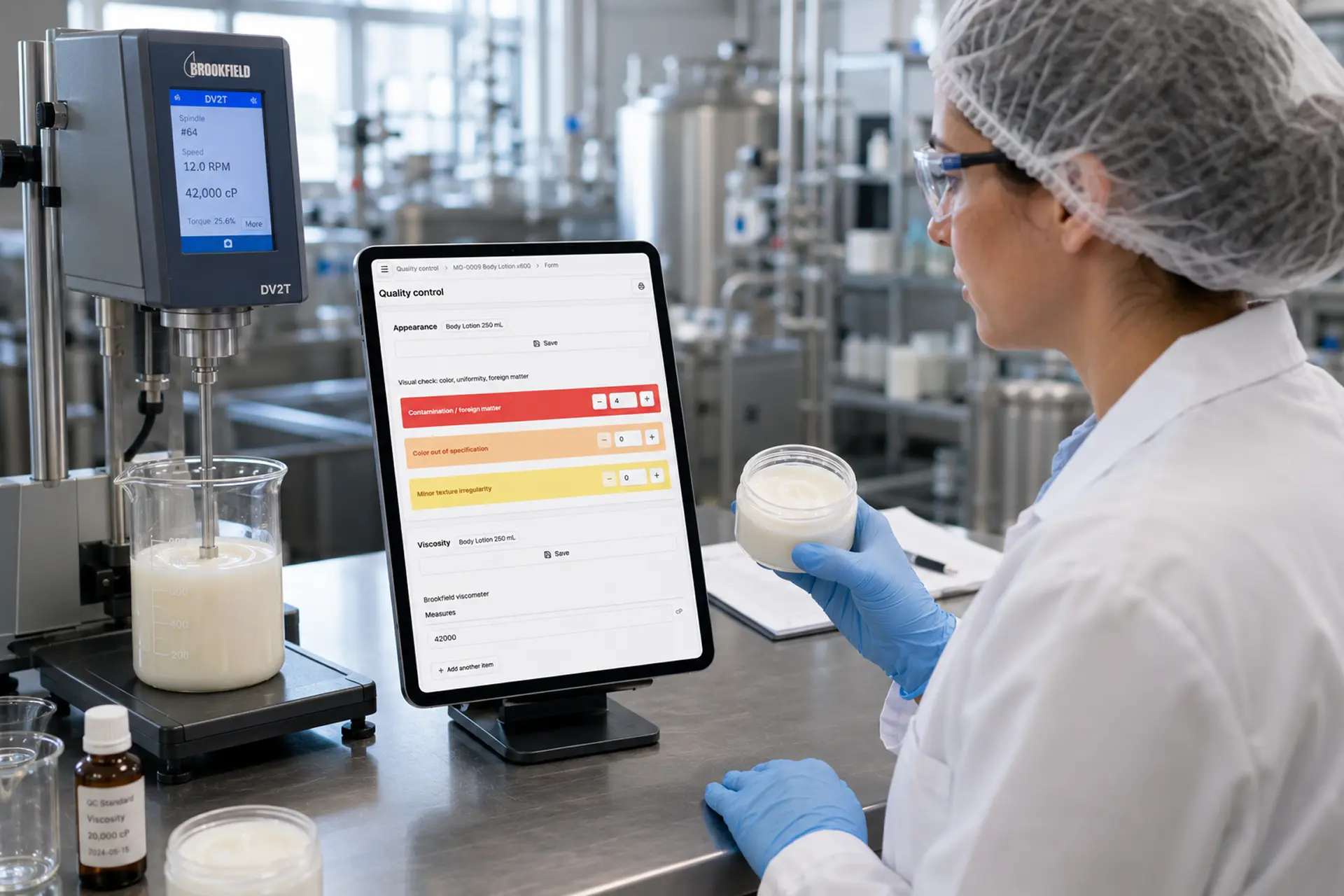
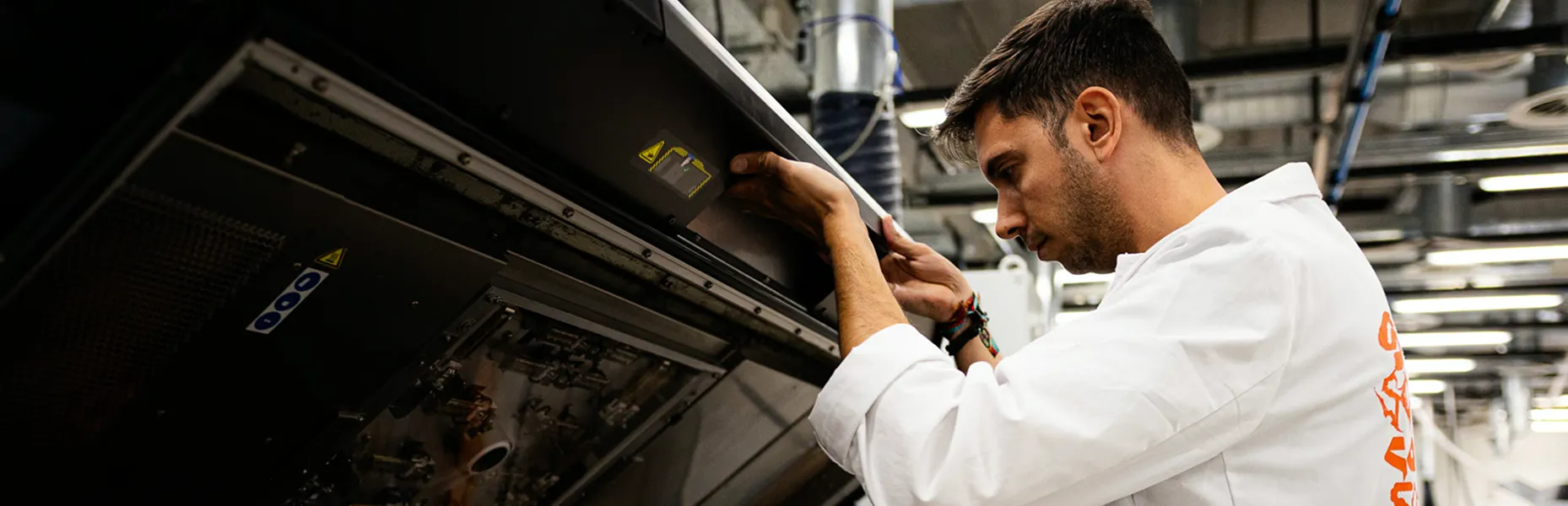
Bonx was designed to be used on the floor, from production declarations to quality checks, picking, and more.
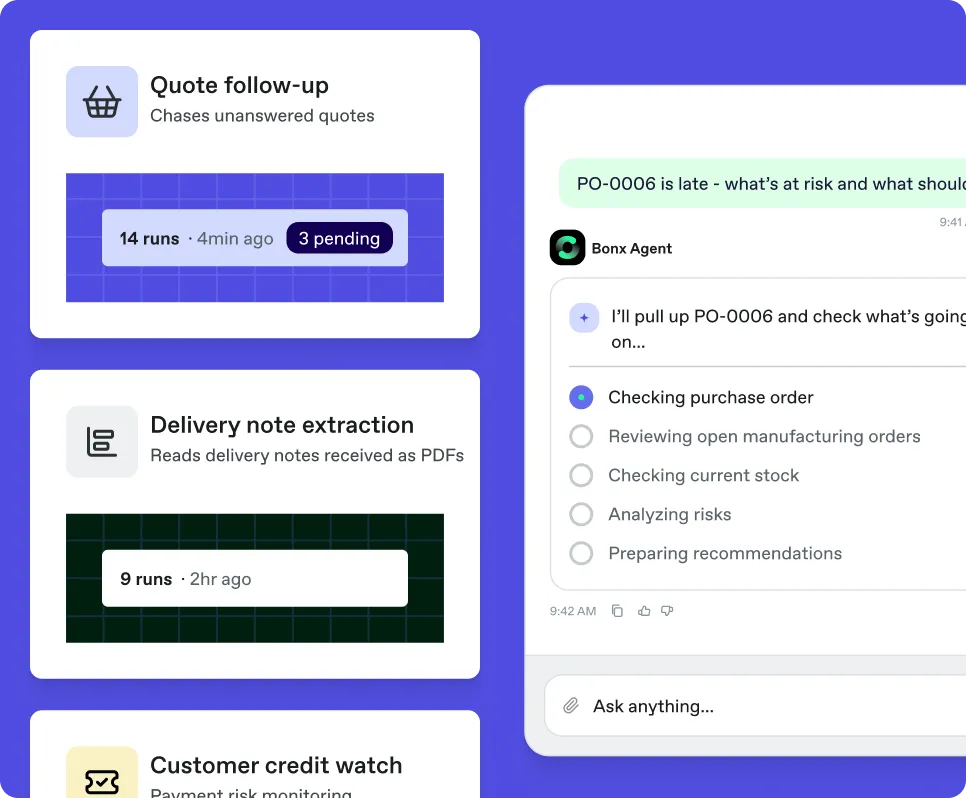
Run tighter operations with planning and decisions based on what's actually happening in real time, not yesterday's snapshot.
Bonx frees your team to focus on what moves the business forward. It surfaces what needs you and handles what doesn't.
Legacy ERP is slow, rigid, and hasn’t changed in 40 years. At Bonx, we built manufacturing software your team will actually love.
Legacy ERP deployments take 12+ months. Bonx can go live in 1-3 months, delivers value immediately, and gets more capable over time, not less.
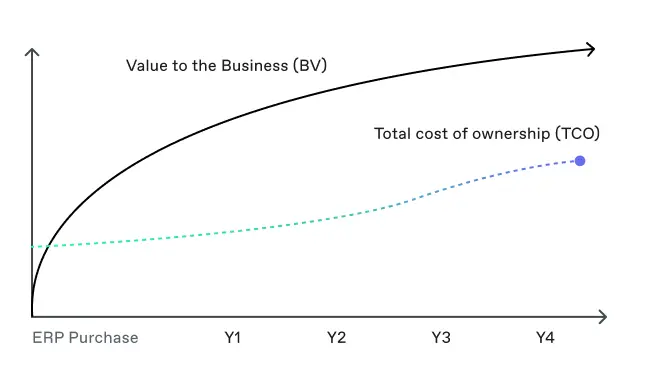
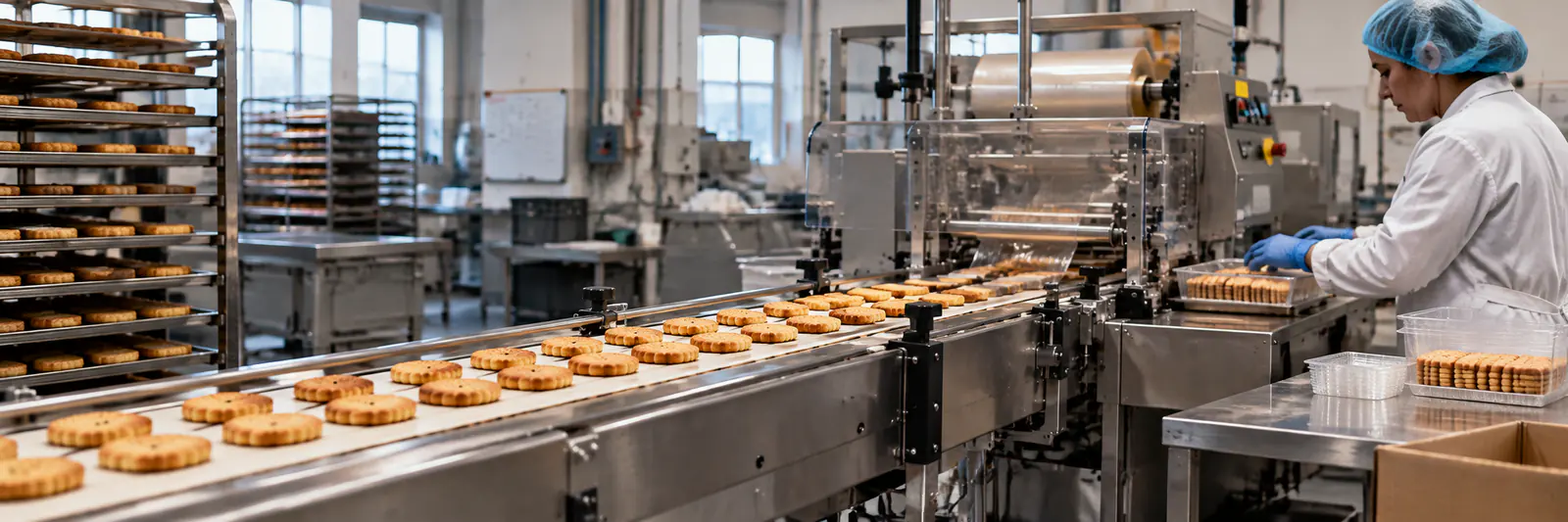
Custom orders, small series, constant changes, unreliable suppliers, shifting lead times — Bonx handles the variability that legacy ERP was never designed for.
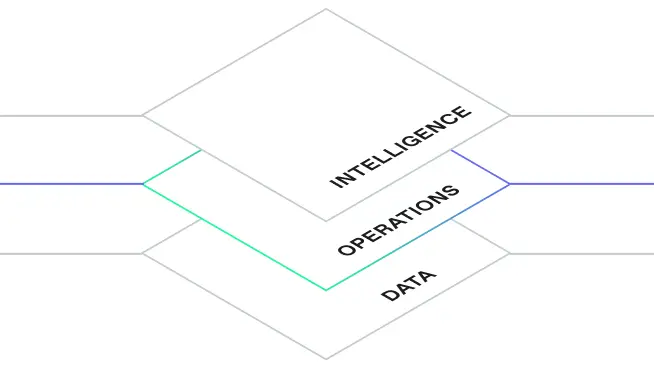
Legacy ERPs were built to record what happened. Bonx runs on live operational data so decisions (whether by AI or humans) get made when they matter.
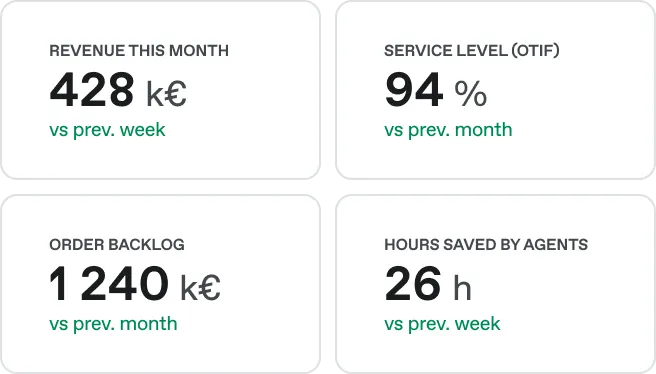
Legacy ERP only covers 60% of operational work in the factory, with the rest in spreadsheets, email, etc. Bonx is built so real work happens in the system, not around it.
.webp)
Most Bonx deployments go live in 1-3 months, not the 12 to 18 that legacy ERP treats as normal. That speed comes down to two things: the technology and the approach. The tech is AI-native, so Bonx adapts to how you work through configuration, not the custom code and long cycles legacy ERP relies on. The approach is phased, so you take one workflow live, run it in parallel with your current tool to prove it out, then extend, instead of waiting a year for a big-bang launch. For the full breakdown, see how a manufacturing ERP can deploy in weeks.
Bonx runs the operational side of manufacturing end to end, from order management and inventory through purchasing, planning, production, quality, and logistics, including material requirements planning (MRP) and scheduling. Whether you run those on spreadsheets today, a standalone MRP, a manufacturing execution system (MES), or the operations side of a legacy all-in-one ERP, Bonx brings them into one connected system.
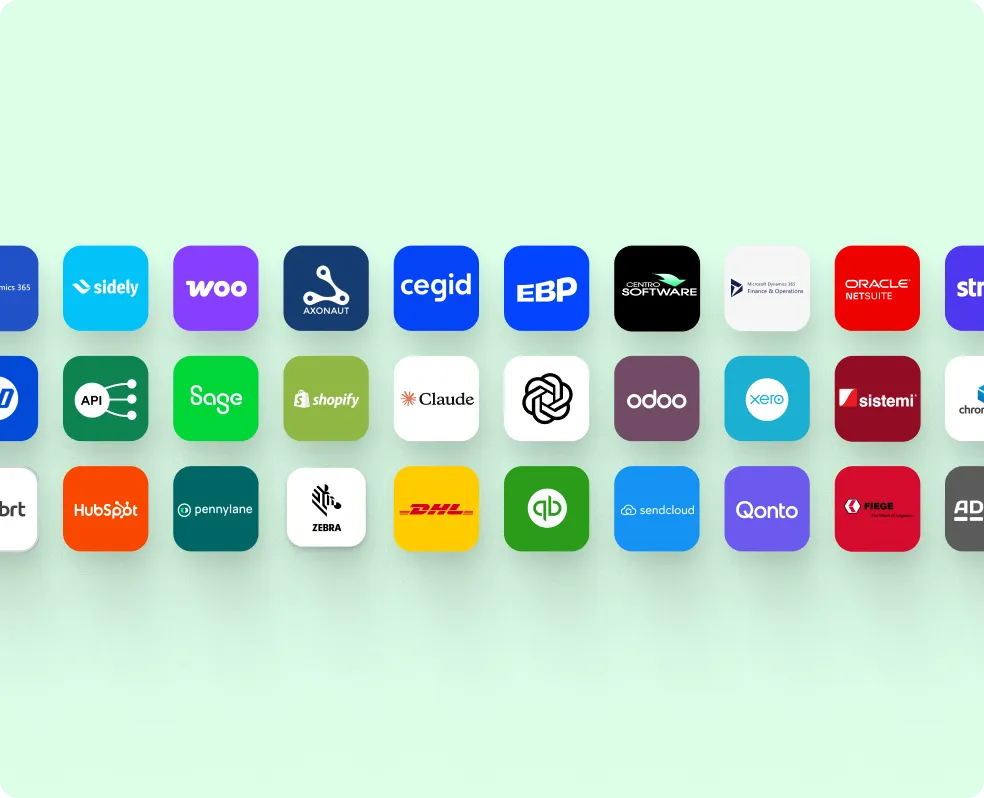
Bonx is not a finance ERP, but it does invoice natively, with legal numbering, tax, and e-invoicing, then hands the coded invoice to your accounting tool to post. Where it stops is the books: no general ledger, no payroll, no financial close. It connects to the accounting, CRM, and e-commerce tools you already use, so nothing gets re-entered and your finance system keeps the books exactly as it does today. Here’s more on why we believe your finance ERP and manufacturing ERP should be separate.
Bonx is an annual subscription plus a one-time setup fee, sized to your operation. No surprise change-order invoices and no runaway timelines, none of the weight that makes legacy ERP so risky to own.
Most teams see Bonx pay back in reclaimed hours and fewer errors within the first months. The fastest way to a more precise pricing number is to talk to our sales team.
As deep as you need. Bonx covers standard manufacturing out of the box, and you configure it to match how you work, no code required. When your business needs something no module covers, you build it as a custom app on top, vibe-coded with AI, so you get real custom software without hiring developers.
Everything custom runs on the same data model, so it stays connected to the rest of your operation and properly governed. And as your business changes, you keep adapting it yourself, no consultant, no project.
No IT department or developers required. Bonx is fully hosted, so there’s no infrastructure to run and no custom code to maintain. A capable person on your team can configure and adapt it as you grow, which is exactly why most customers run Bonx with the team they already have.