The ERP problem in custom furniture manufacturing
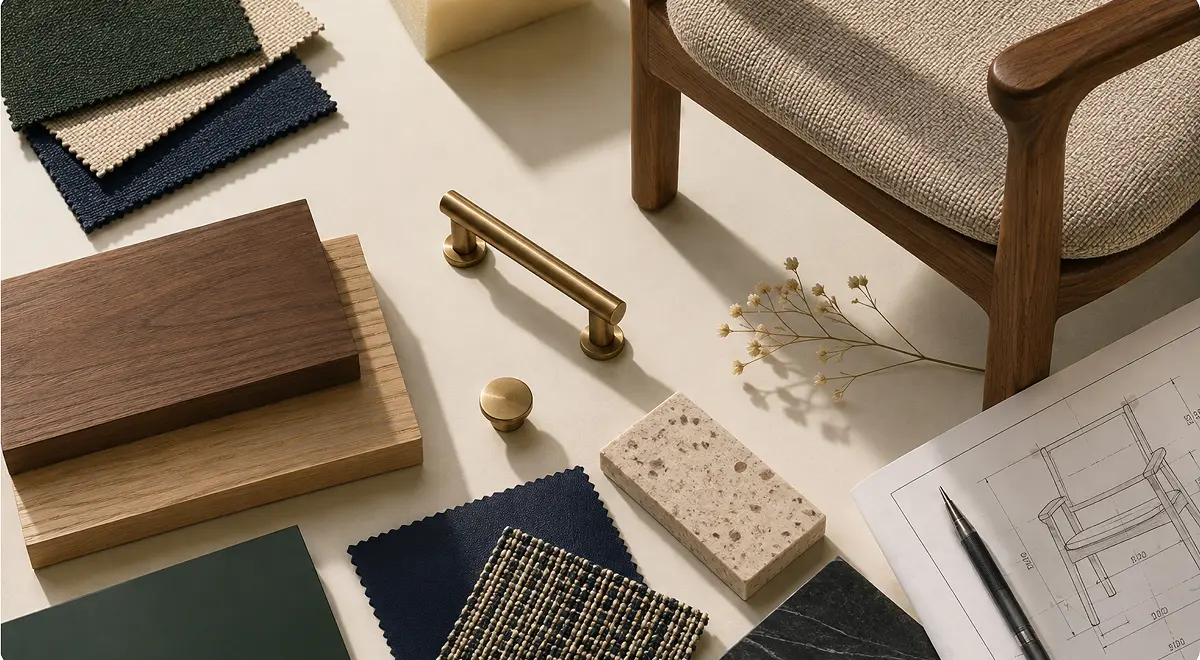
Most enterprise resource planning (ERP) systems expect a level of consistency that furniture manufacturers rarely get, especially when custom work is part of the business. Stable SKUs, approved master data, predictable routings, standard inventory transactions, and order statuses that move in a neat sequence do not mix well with variants, customer-specific materials, and complex finishing stages.
In custom furniture manufacturing, the exception is often the rule. When a customer changes dimensions after quote, a fabric is unavailable, a finish adds lead time, a board or roll is reserved for one specific order, or a piece waits in upholstery or curing longer than planned, the furniture ERP has to understand what those changes affect and help the team respond before the delivery is at risk.
That is why furniture manufacturing software is so hard to choose. Spreadsheets feel flexible but become fragile as the business scales. Legacy and all-in-one ERP systems feel safer, but they often flatten the operational detail the factory needs. AI changes the buying question, but only when it sits on a system built to act on live operational context, not a chatbot attached to old software or disconnected systems.
This article looks at the path from spreadsheets to legacy ERP to AI-native manufacturing ERP, and what custom furniture manufacturing software should prove before you trust it with orders, materials, production, and delivery promises.
Spreadsheets are fast to adapt, which is why they can work well in furniture manufacturing, at least at first. If a planner needs to track a one-off dimension, add a material note, create a cut list, reserve fabric for a customer, or mark a finish exception, a spreadsheet lets the team move. Nobody has to wait for an ERP consultant to add a field or redesign a workflow, and in a custom environment, that flexibility matters.
The problem appears when the business grows around the spreadsheet. One file becomes several, a quote sheet turns into a production sheet, a cut list lives somewhere else, and the purchasing view does not quite match the production view. If sales asks for an order status and the answer is difficult to find, that's a red flag.
Spreadsheets might stop being a lightweight tool and start becoming a fragile operating system at some point in your growth, but the next investment cannot ask the team to give up flexibility in exchange for structure. It has to bring that flexibility into a connected system where order management, inventory, purchasing, production, quality, and logistics can see the same operational truth.
Legacy ERP and all-in-one ERP are not the same category, but they often create the same problem for furniture manufacturers. They make the business feel more structured by forcing work into broad modules, stable master data, standard routings, and generic statuses. That can help finance and reporting, but it can also flatten the operational detail the factory needs.
A configured furniture order needs to become usable production data. The system has to understand how dimensions, finishes, fabrics, foam, hardware, edge treatments, packaging, delivery constraints, and installation notes affect the work.
That means more than storing options on a sales order. The configuration should drive the bill of materials, routing, cut list, material reservation, cost impact, work instructions, and delivery promise.
When legacy or all-in-one ERP cannot make that leap, planners and operators become the integration layer. That is, humans translate the quote into production, adjust the BOM, prepare the cut list, check whether the right fabric is available, explain to sales why the promise date changed, etc.
The ERP may be present in the process, but the process is still depending on people to bridge the gaps, which will make it ultimately challenging to scale. Read more about our take on the 5M to 20M revenue inflection point for SMB and mid-market manufacturers.
Generic inventory logic usually starts with quantity, but furniture materials require more detail, with finish, foam, glass, and packaging all carrying their own constraints.
For example, wood may need to be understood by species, grade, thickness, usable dimension, grain, defect, supplier, or finish compatibility. Fabric may depend on roll, dye lot, yardage, usable width, defect, and reservation. Hardware can look minor until one missing hinge blocks final assembly.
This is why BOM management for manufacturers is not a back-office topic. In furniture, the BOM has to stay connected to purchasing needs, material reservations, manufacturing orders, stock consumption, quality status, and delivery risk.
Waste matters here too. Expected consumption and actual consumption tell the business whether margin is drifting because of quoting, yield, supplier quality, rework, substitution, or uncontrolled offcuts. If the ERP cannot capture that difference, the team may know waste exists without knowing where the operational fix is.
Custom furniture production depends on details that need to stay attached to the order: drawings, measurements, approvals, material choices, finish notes, routing decisions, quality checks, delivery constraints, and sometimes installation requirements.
Legacy ERP can record the order but still lose the story between confirmation and shipment because drawings sit in a folder while notes sit in email and status lives with the production lead.
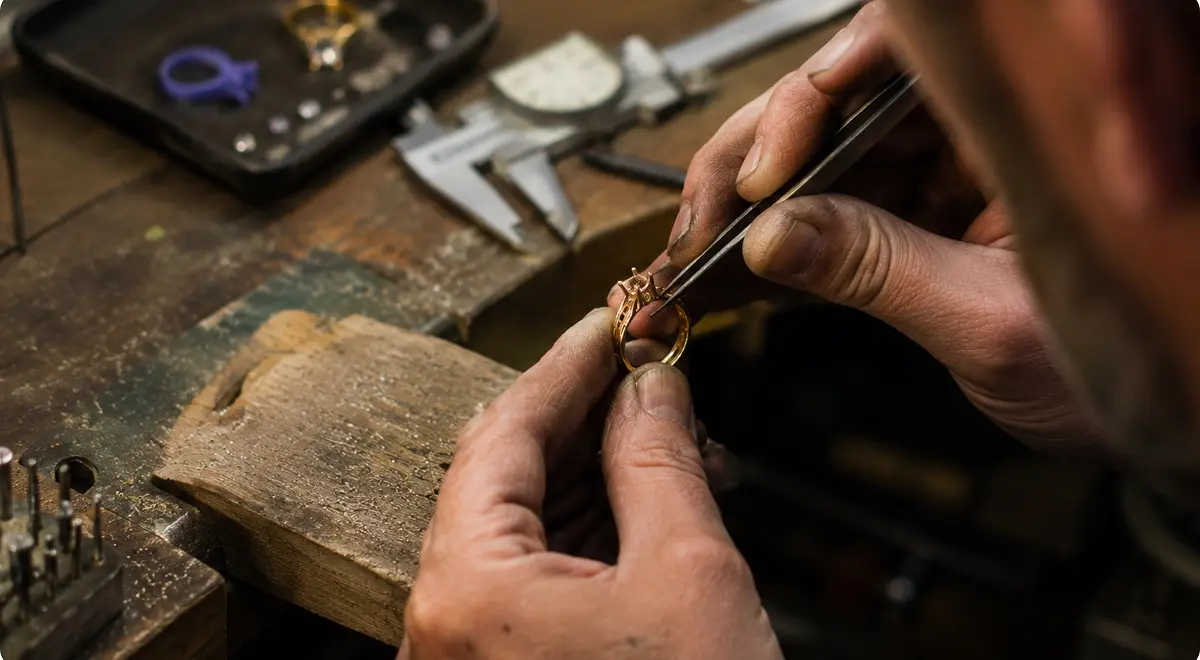
A similar pattern appears in other custom manufacturing environments. Amantys, a custom jewelry house coordinating two boutiques and one workshop, needed each order to carry customer-specific materials, technical characteristics, workshop instructions, deadlines, and traceability requirements. With Bonx, each custom order generates a complete work order, and Amantys eliminated manual data re-entry between sales, production, and accounting.
The sector is different, but the operating pressure is familiar. When the product is personal, the order cannot become a generic transaction. The system has to preserve the production story from customer promise to final quality control.
Furniture delays often happen late. Sanding, upholstery, finishing, curing, final assembly, inspection, packing, and shipment prep can make an order look almost done for days.
A broad ERP status does not help much here. "In production" can mean work is moving, waiting, blocked, under review, or almost ready to ship. The system needs to show where the order is stuck, what that delay affects, and what action the team can take next.
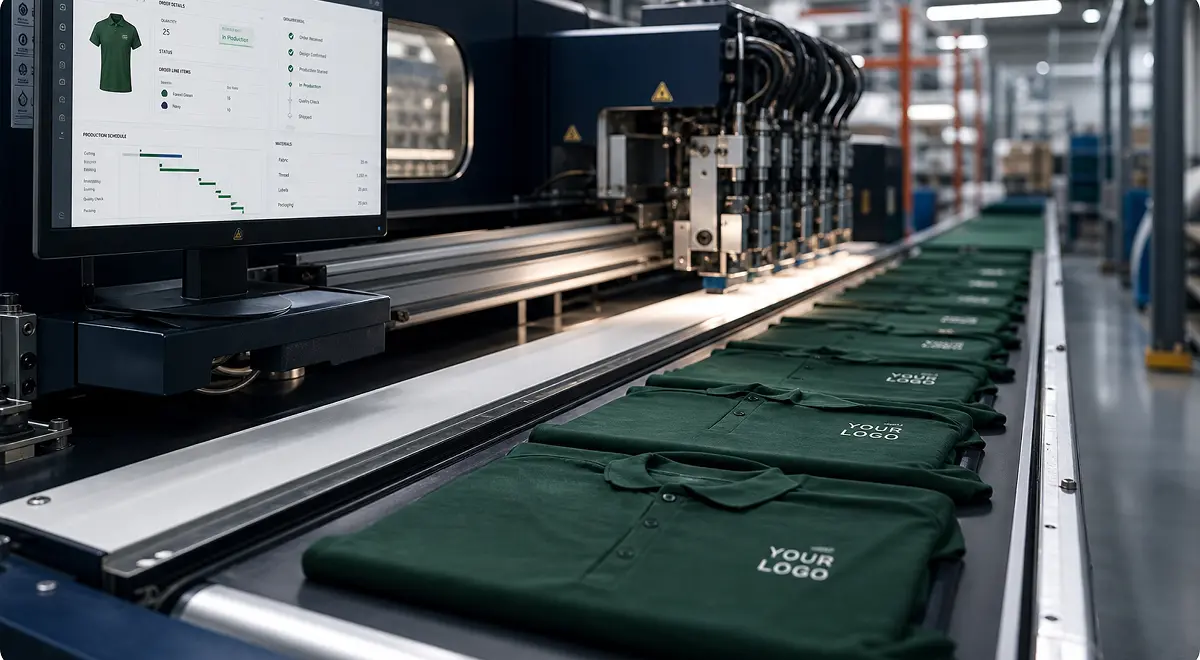
Textile customization manufacturer LCS replaced paper work orders with real-time production tracking across five workshops. A single order could move through heat transfer, screen printing, embroidery, digital finishing, and sewing, with each handoff affecting the deadline. With Bonx, manufacturing orders are generated from confirmed quotes, each order is linked to a QR code scanned at every production stage, and LCS cut production errors by 95% while reducing paper usage by 90%.
For furniture manufacturers, the lesson is direct. Shop-floor visibility should be close enough to the work that delays and mistakes appear while someone can still do something about them.
AI changes the ERP conversation because it changes what software can do with operational context. In an older model, the ERP mostly waits. A person enters the order, checks stock, creates the manufacturing order, notices the material issue, updates the status, and tells sales the date is slipping.
AI makes a different model possible, but only if the software architecture supports it. A chatbot sitting on top of spreadsheets cannot act on the factory. A chatbot attached to a legacy ERP inherits the same rigid workflows, stale records, and missing context. It may answer a question, but it does not remove the coordination burden.
An AI-native manufacturing ERP like Bonx is built around action. The system understands the operational objects around the order, including stock, suppliers, material constraints, routings, work orders, quality status, production capacity, and logistics. Then it can help generate manufacturing orders, prepare procurement suggestions, assign routine work, surface exceptions, flag delivery risk, and route decisions to people when judgment matters.
Something Added shows that shift in practice. The additive manufacturer deployed Bonx in two months with a native integration to HP 3D printers. Orders are grouped automatically, manufacturing orders are generated, and jobs are assigned to machines based on industrial rules. The factory now runs 24/7 production with more than 10,000 parts produced each month by a reduced team.
Furniture production has different constraints, but the principle carries over. AI becomes useful when the system has live operational context and permission to act inside approved rules. Without that foundation, AI is just another layer over the same manual process.
When looking to make your next software investment to help operations, start with an order.
A strong furniture ERP should also adapt after go-live. Furniture manufacturers often change products, suppliers, finishes, routings, inspection steps, and more, and if every change becomes a consultant project, the team will rebuild flexibility outside the ERP (read: you're paying for a system no one uses).
That is the standard behind Bonx for furniture manufacturers: custom furniture manufacturing software should carry the details your team already manages every day, without forcing those details back into spreadsheets or hiding them inside vague ERP statuses.
If the ERP cannot do that, the real factory will keep running outside the system. And if the real factory is outside the system, AI will only decorate the problem instead of helping solve it.
Contact us
So were we. That's why we built Bonx, the AI-native manufacturing ERP.