Jewelry & watch manufacturing
Amantys scaled jewelry production & eliminated manual data re-entry across locations with Bonx
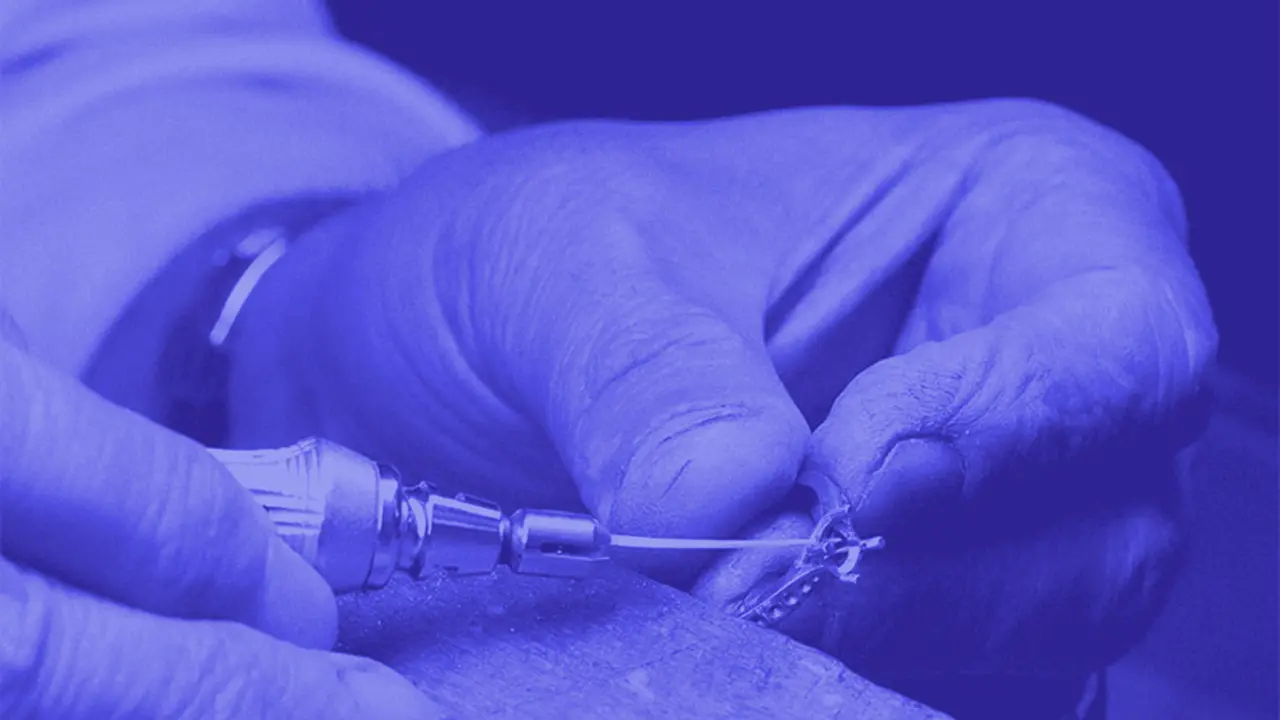
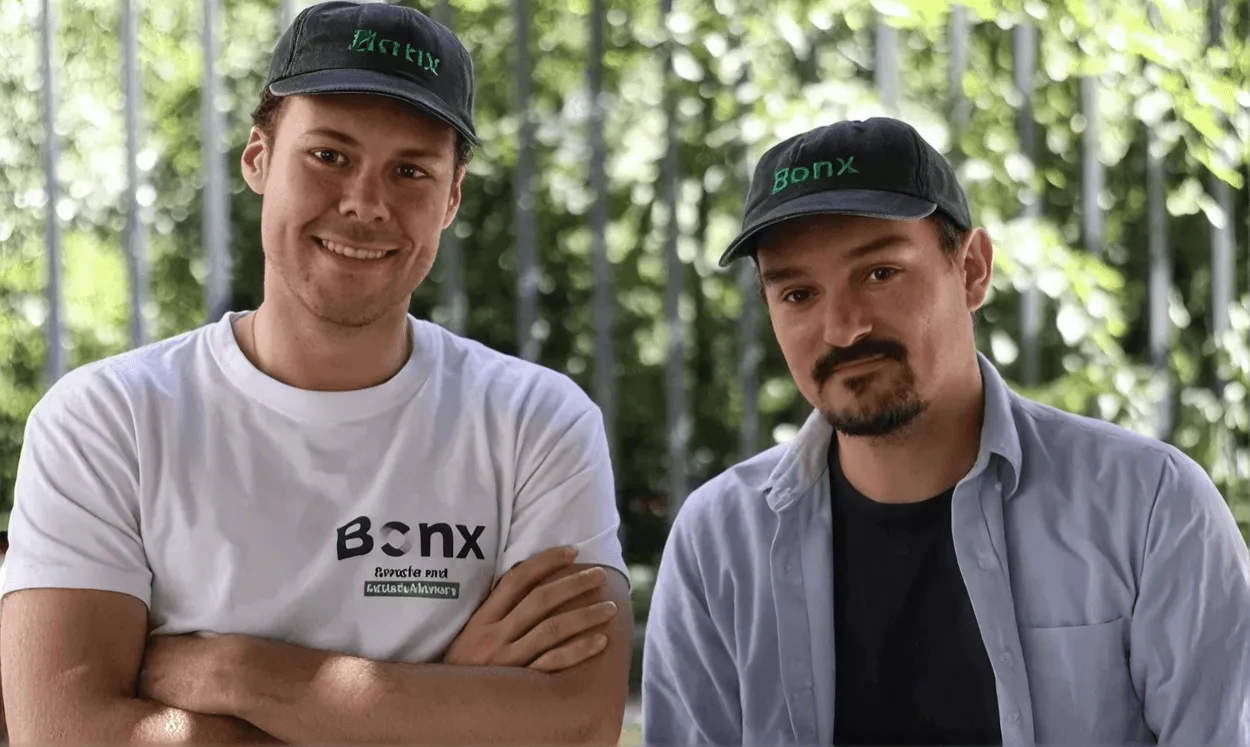
Amantys was born from the meeting of Frédéric and Nicolas, two jewelers trained at the great houses of Place Vendôme. From 2018, they built the house around a simple idea: no separation between maker and client. At their Madeleine showroom, clients are introduced to gemology, handle real diamonds, learn about the characteristics of different stones, and take part in designing their piece using 3D tools.
Their bespoke approach resonated, and orders increased quickly. However, behind the experience, the organization still relied on a makeshift setup of everyday tools, including Google Sheets for production tracking, Dropbox for CAD files, shared calendars to organize the workshop, and a repurposed invoicing tool to manage orders.
At first, the Amantys team could compensate for the shortcomings of their tool stack by simply dedicating the necessary time to make it work. But as the order book grew, manual management became increasingly burdensome, especially due to the regulatory constraints imposed on jewelers (the mandatory police register) and the high level of personalization and guidance at the core of Amantys’ DNA.
Thanks to their enormous success, Amantys opened a second boutique in Bordeaux, which marked a turning point when it came to the team’s operational limits. Client back-and-forths multiplied, and the administrative workload increased significantly. This highly human-centered organization, who was dependent on files and internal messages, could hardly absorb the growth.
It became necessary to rethink tools and processes if they were going to live up to the level of service and customization expected by their clients.
Amantys started with a clear list of requirements and needs for their ERP to address, including:
The team at Amantys considered several options to meet these requirements, including generalist all-in-one ERPs as well as industry-specific solutions used in jewelry.
They found that specialized tools for the jewelry industry ultimately did not adapt to their specific way of working, with interfaces that were too rigid, standardized processes, few integrations, and little room for customization. Meanwhile, most large, generalist ERPs required heavy configuration for nearly everything while also being unable to address specifics of jewelry, including maintaining the police register.
As a system built around production with the flexibility for processes to evolve, Bonx turned out to be exactly the right fit. Its robust integration engine made connecting to Amantys’ e-commerce site, HubSpot and Pennylane for accounting seamless. And, the cherry on the cake, Amantys appreciated that the Bonx team understood the unique challenges of the jewelry sector.
In just a few months, Bonx was up and running.
With Bonx, Amantys moved from a fragile, manual setup to a structured, scalable system tailored to custom jewelry:
Bottom line: Amantys now has a flexible operational backbone to support new collections, a broader clientele, international expansion, and more demanding projects with bigger technical requirements.
“Bonx structured our highly customized jewelry production without compromising our transparency and craftsmanship. Sales, operations, and accounting are now fully synchronized and traceable. It gives us the foundation to scale confidently across locations.”
— Frédéric Sebag, co-founder at Amantys

Contact us
So were we. That's why we built Bonx, the AI-native manufacturing ERP.