Textile industry
LCS Groupe cut production errors by 95% & grew turnover 30% with Bonx
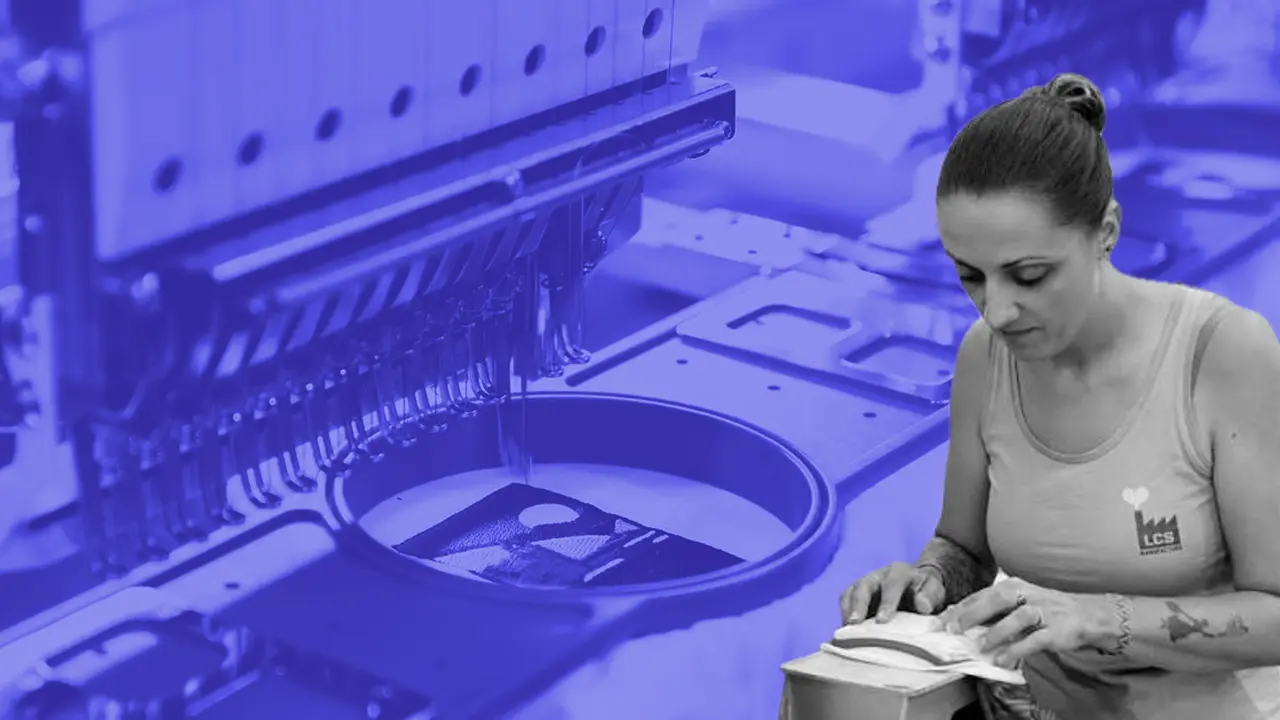
Textile customization is an event-driven business, which means hard deadlines and fast turnarounds are part of the job description. For example, festivals might order crew merchandise weeks before opening, or corporate clients might discover they need 200 uniforms a month before their new hires arrive.
LCS Groupe built its operation to absorb exactly that: a 2,000 m² facility in Perpignan where five workshops run under one roof, so a rush job can pass from printing to embroidery to sewing without losing hours in the handoffs. Reactivity is what clients come back for, and it has kept the business growing steadily since 2014.
Though they were built to handle the demands of textile customization, LCS Groupe still faced challenges around the complexity of the handoffs. Depending on what the client ordered, a single job might need heat transfers from the press workshop, base graphics from screen printing, logo work from embroidery, finishing from the digital workshop, and final assembly from the sewing team, meaning that every step depends on the one before it.
For years, LCS Groupe managed that complexity with paper and memory. One printed work order per workshop, per job, and a team that knew where things were because they had spent years learning to know.
When a client called to ask where their order was, someone walked the floor to find out. When a size change or color correction came in, nobody could say immediately whether production had started, which determined whether the change was still possible and what it would cost. When the sewing atelier sat waiting on the press workshop, nothing told the upstream team their delay had consequences downstream.
Across 40 people handling small-series orders on tight deadlines, those moments added up to a drag on the reactivity LCS Groupe was selling, and clients could feel it too.
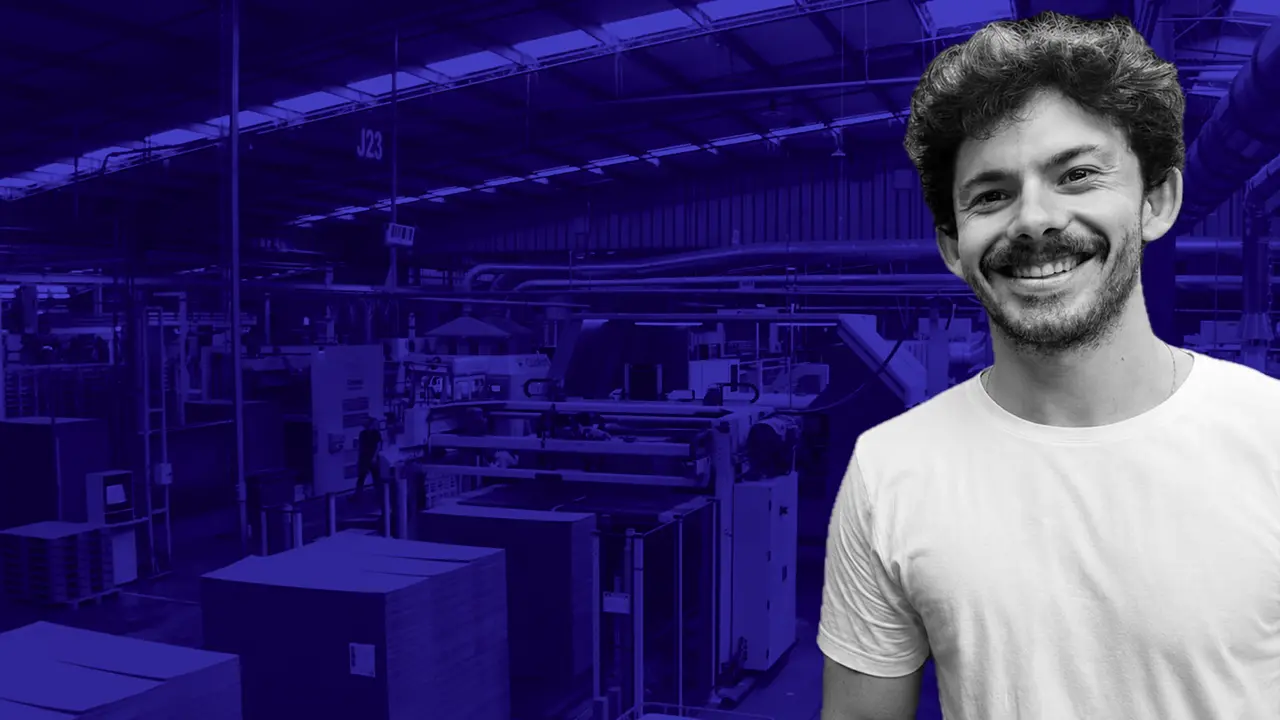
Nicolas Gomarir, the CEO of LCS Groupe, had set a target: €5 million in revenue and 66 employees within three years, roughly double the order volume and headcount, with the same reactivity that built the business.
Paper and memory don't double. LCS Groupe needed a system that could reproduce its own logic, one work order per workshop per job, routed the way orders actually move through the facility, and visible to everyone at once.
That requirement eliminates most legacy or all-in-one ERPs before the demo. A traditional system arrives with its production flow already decided, and an order that needs screen printing and embroidery but no sewing gets forced through someone else's process map anyway.
Bonx starts from the floor instead. LCS's five workshops, their routing rules, and their order logic went into the system the way they run in real life: a confirmed quote generates one work order per workshop it actually touches, and each atelier sees its own queue, in its own vocabulary, while feeding the same live picture of every order.
And the fit doesn't freeze. When LCS changes how a workshop operates, the team changes the system to match, without calling an integrator or waiting for a project.
The most immediate change was the work order itself. Paper work orders gave way to digital manufacturing orders, each carrying a QR code scanned at every stage of production.
When an operator at the press station scans a completed step, everyone downstream knows at once:
Work order generation, previously done by hand for each job, became automatic: one order per workshop per confirmed quote, routed to the right team without anyone touching it. For jobs crossing four or five workshops, this alone removed a major source of errors and delay.
Purchasing was connected to production scheduling, so fabric and component orders stopped running parallel to the production plan and started informing it.
Digitizing their process with Bonx meant clients got something new too, which was direct visibility on their own orders, with a notification at each production milestone and a form to request modifications without disrupting the floor.
Three years in, production errors are down 95% since work orders went digital, paper down 90% across the five workshops, and a full day cut from average lead time. Turnover grew 30% over the same period, on the same floor that used to run on printouts and memory.
The result Nicolas values most sits behind those numbers. LCS can now pursue its €5 million target without betting that the right people will always be in the right place with the right information in their heads. The floor is now legible to everyone with a stake in it, from management to sales, logistics, and even the clients themselves. What happens in the press workshop at 10 a.m., the sewing team sees at 10:01. This was far from the case before.
In a business where the client is always late and the deadline never moves, that visibility is what LCS sells. Bonx is how it scales.
Contact us
So were we. That's why we built Bonx, the AI-native manufacturing ERP.