fully adaptable to your plant
fully adaptable to your plant

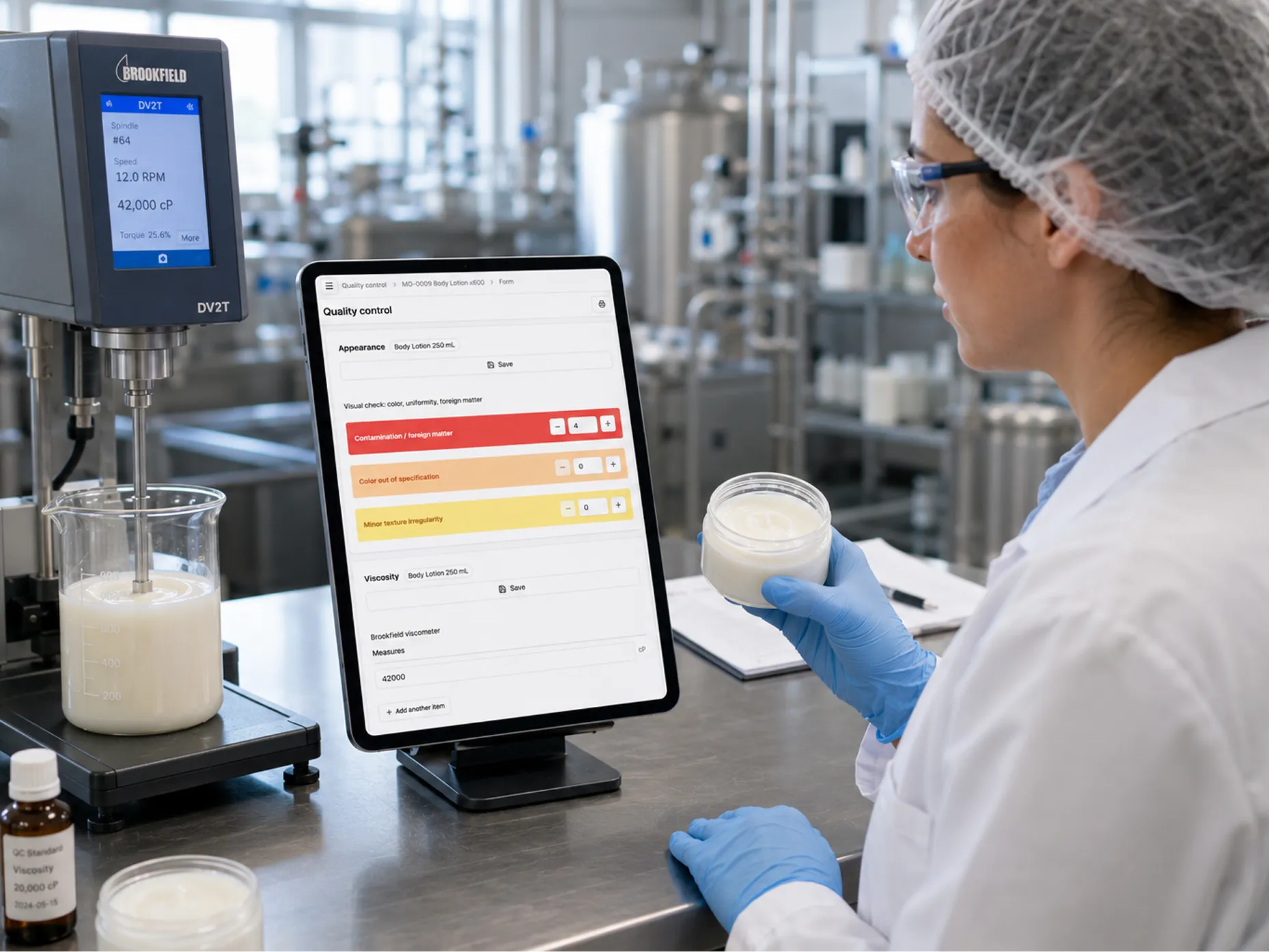
Adapt the data model, workflows, and interfaces without waiting months for custom development. Bonx customers go live in 10 weeks on average.

Each team gets a tool built for the job, so people stop working around it. Automations can then take on more of the routine so work keeps speeding up.

Checks and best practices are prompted at the right moment inside every workflow, catching problems before they turn into rework.
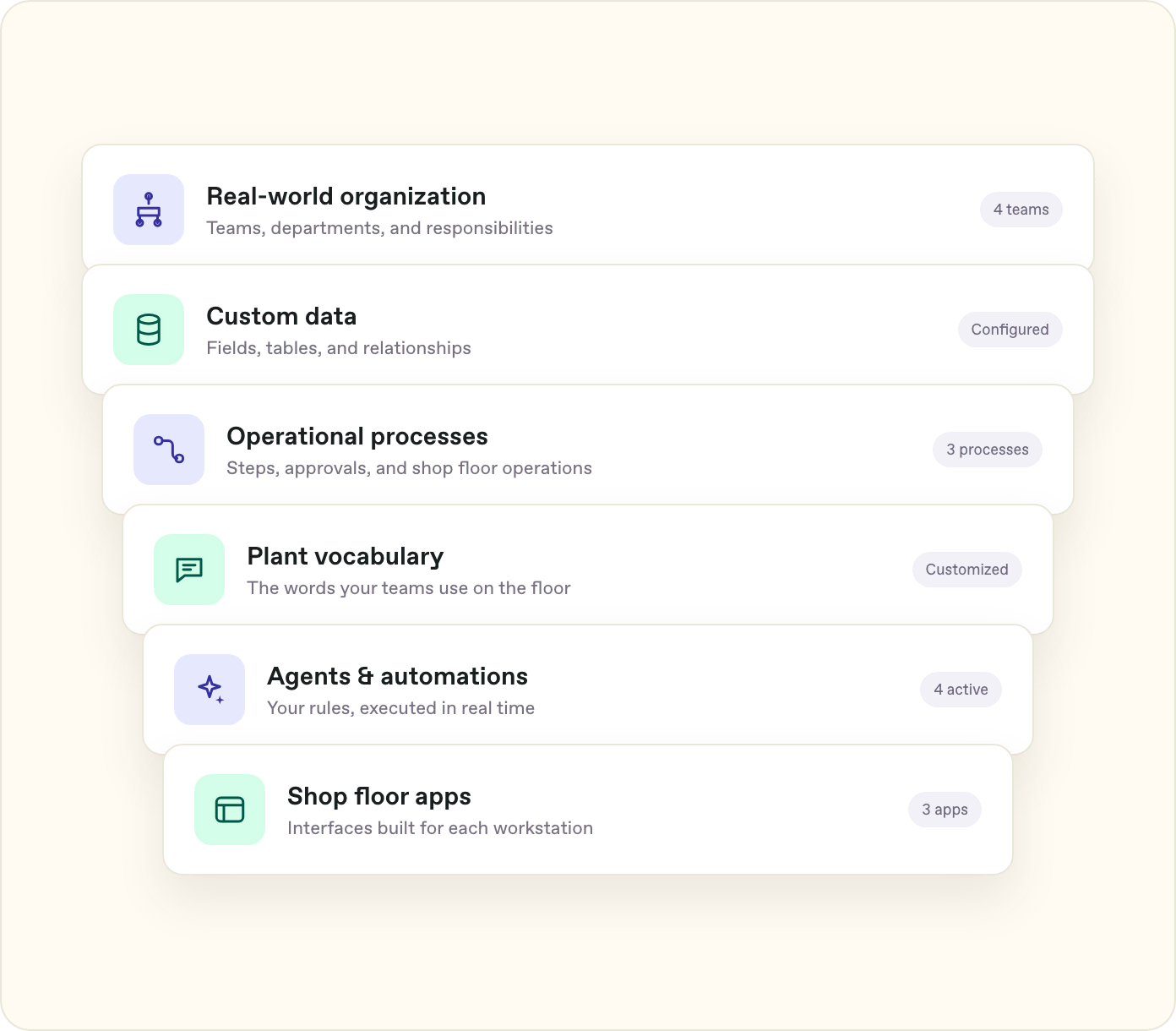
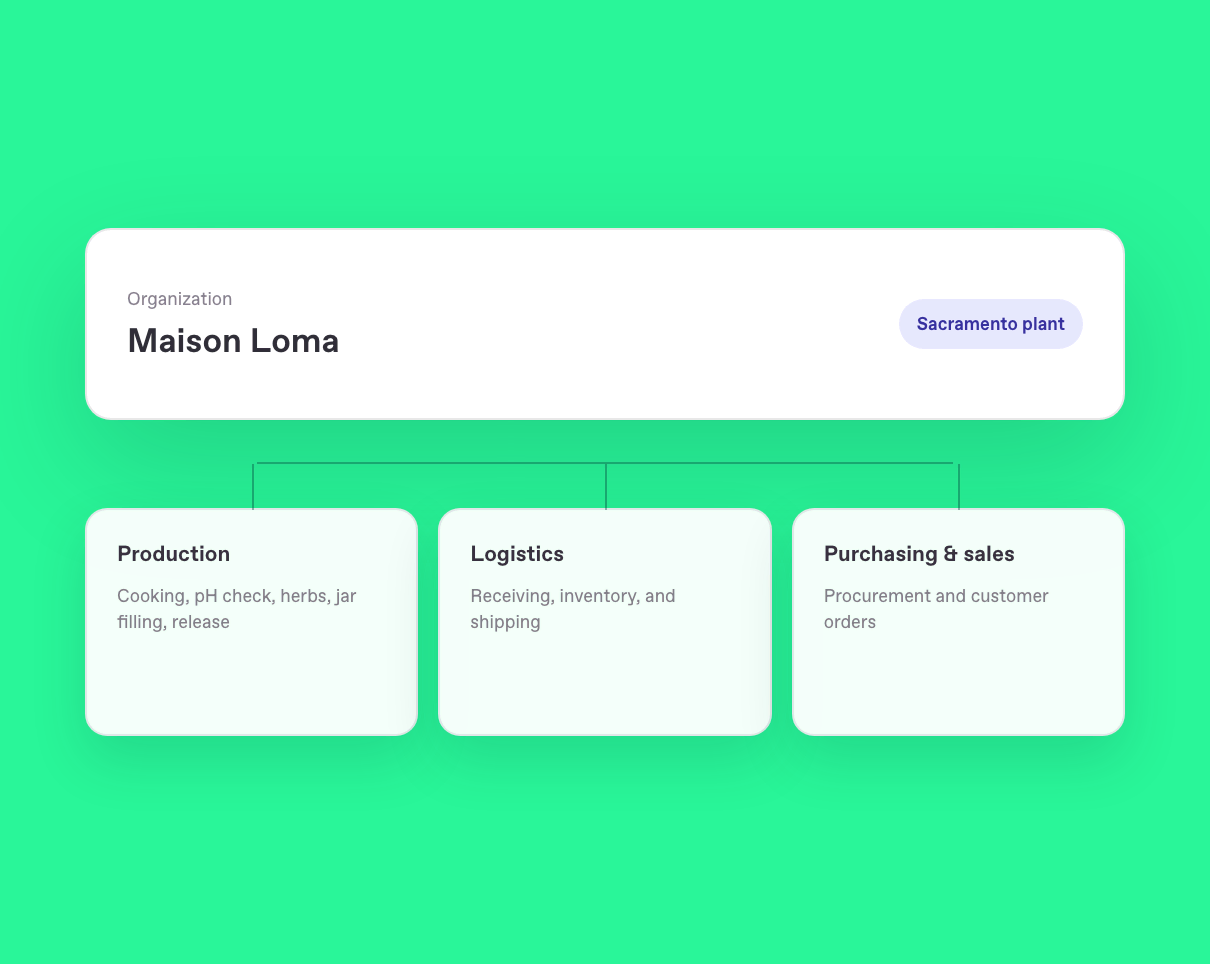
teams, departments, roles, responsibilities ...
Model your teams, departments, sites, and their responsibilities in Bonx, exactly the way your organization works. Every operation lands in the right place, with the right people.
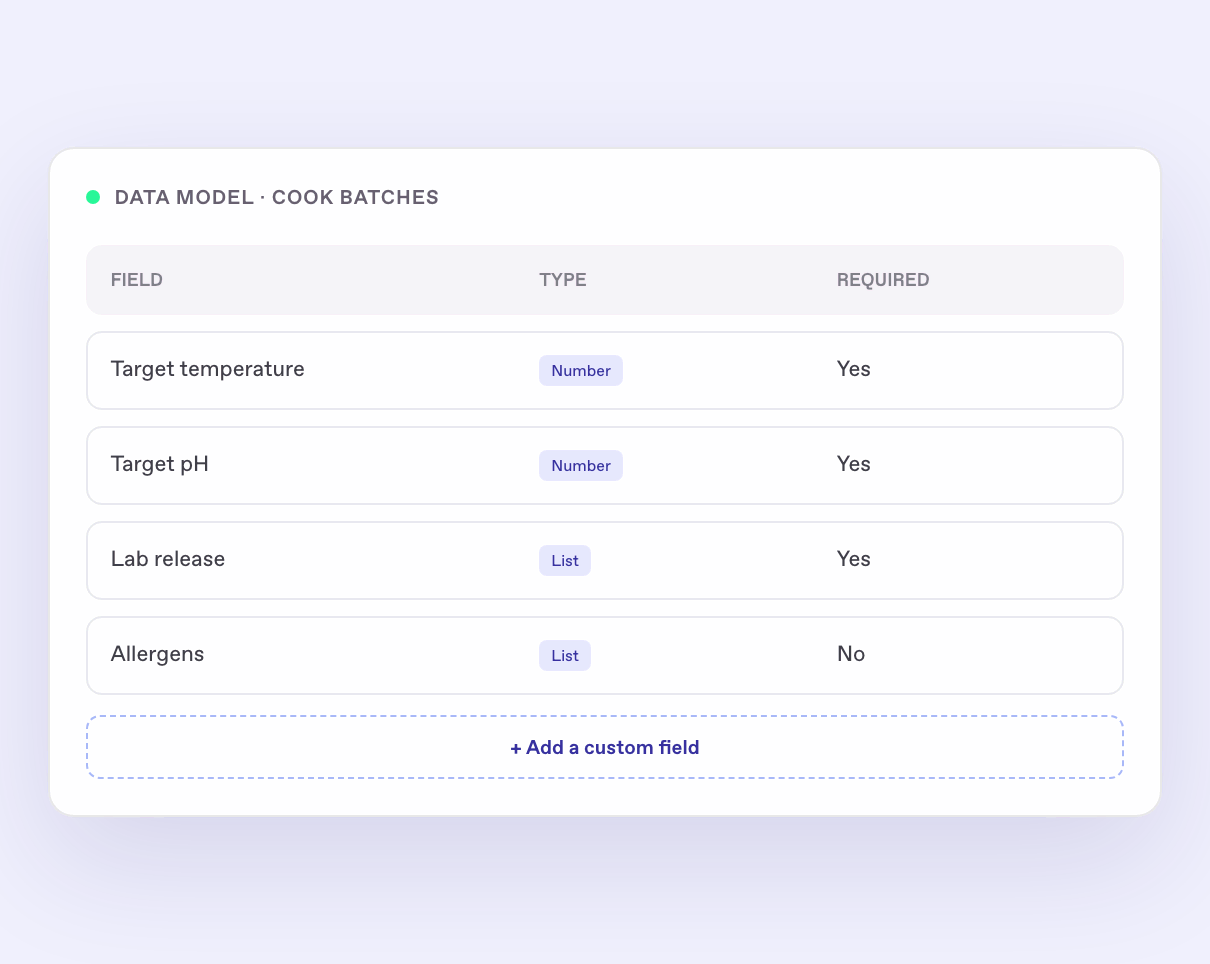
custom fields / tables & linked records
Create the fields, tables, and relationships your operations actually need, with your own statuses and units. Your model evolves with the business, without breaking the standard or waiting on an IT project.
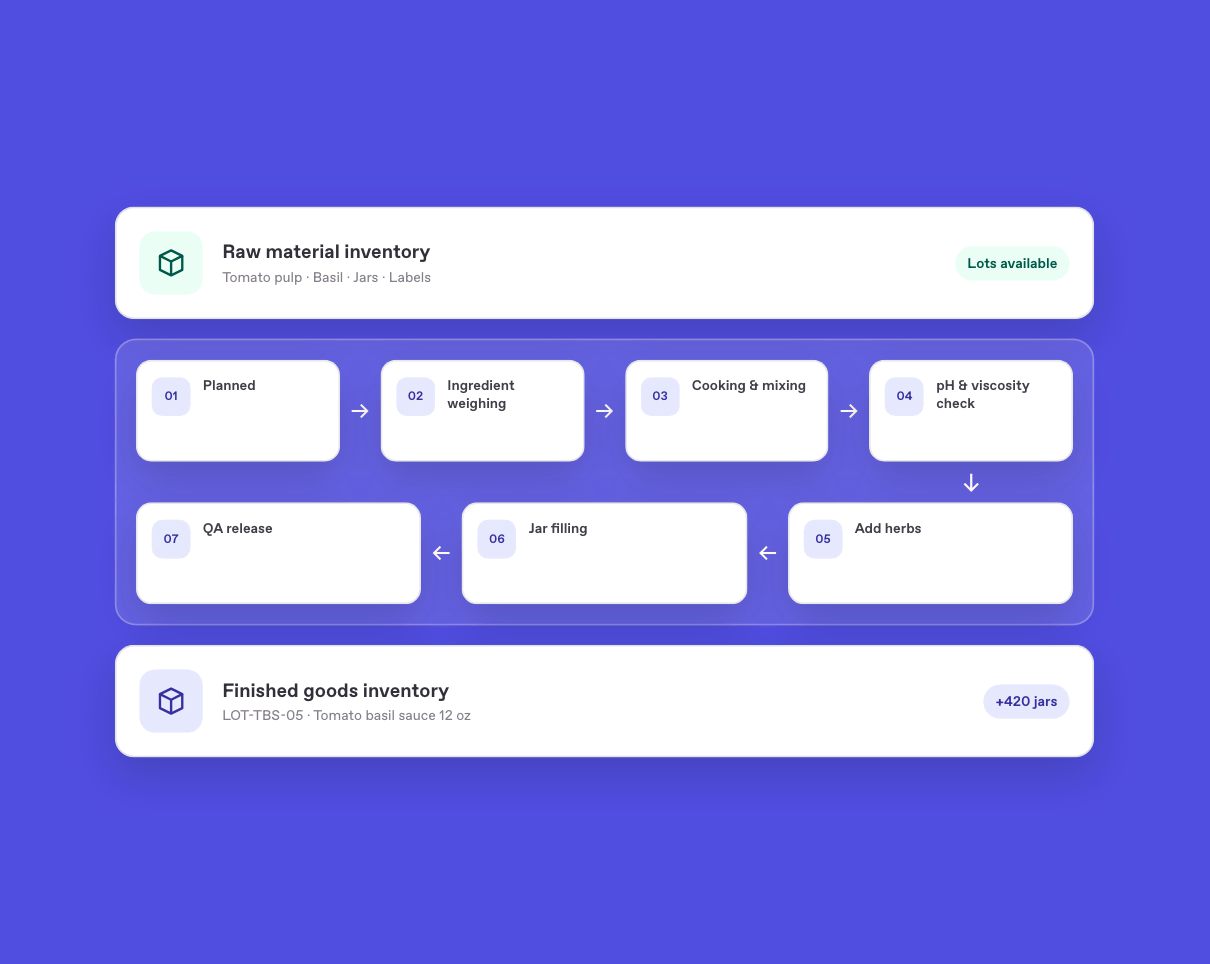
steps 100% configurable by you
Model every step, approval, and shop floor operation the way it really happens. Bonx consumes the right lots, applies your checks, and puts finished goods back into inventory automatically.
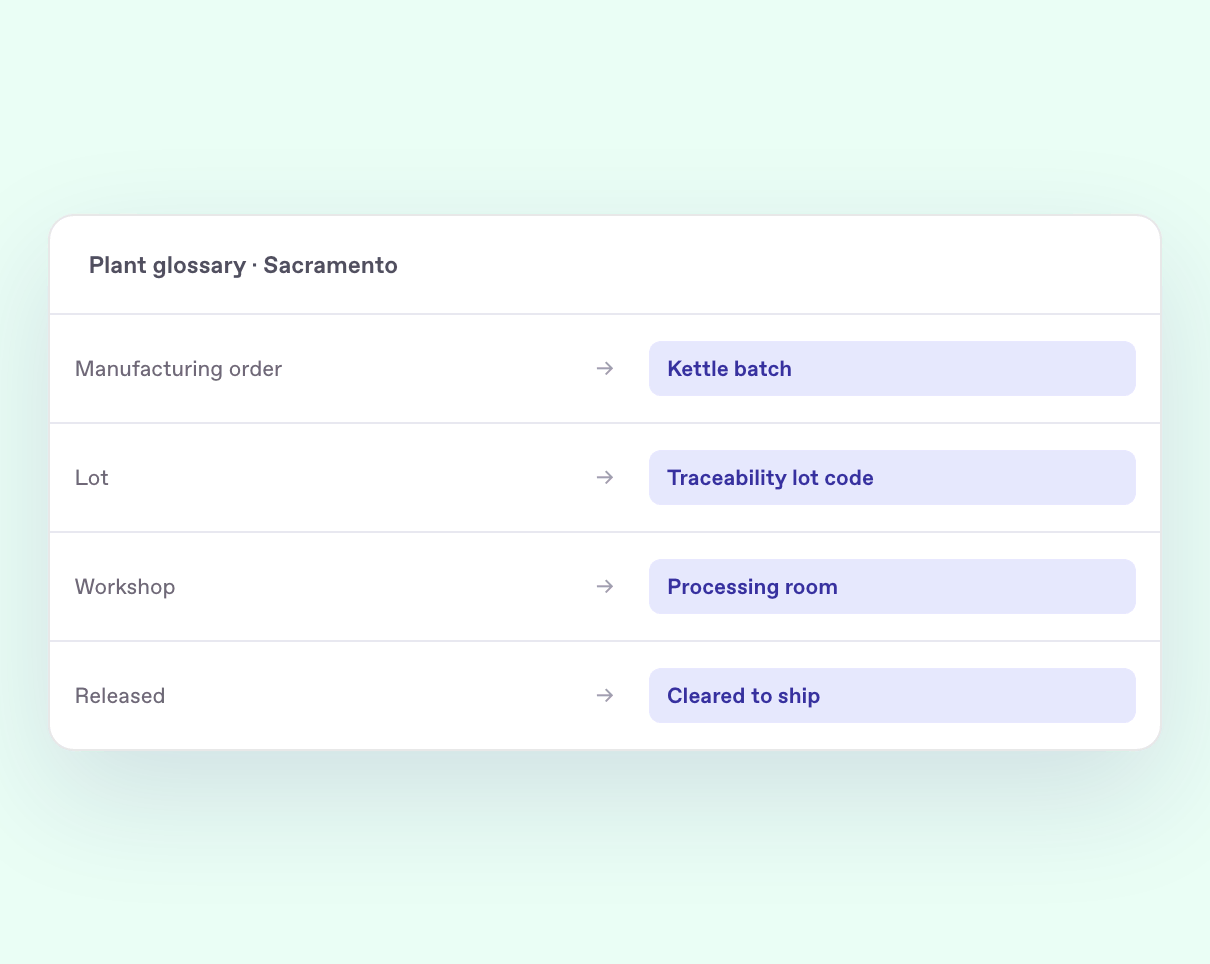
industry vocabulary, site-specific labels & custom units
Bonx picks up the terms, units, and statuses already in use at your plant. Screens speak the language of the shop floor so your teams feel at home from day one.
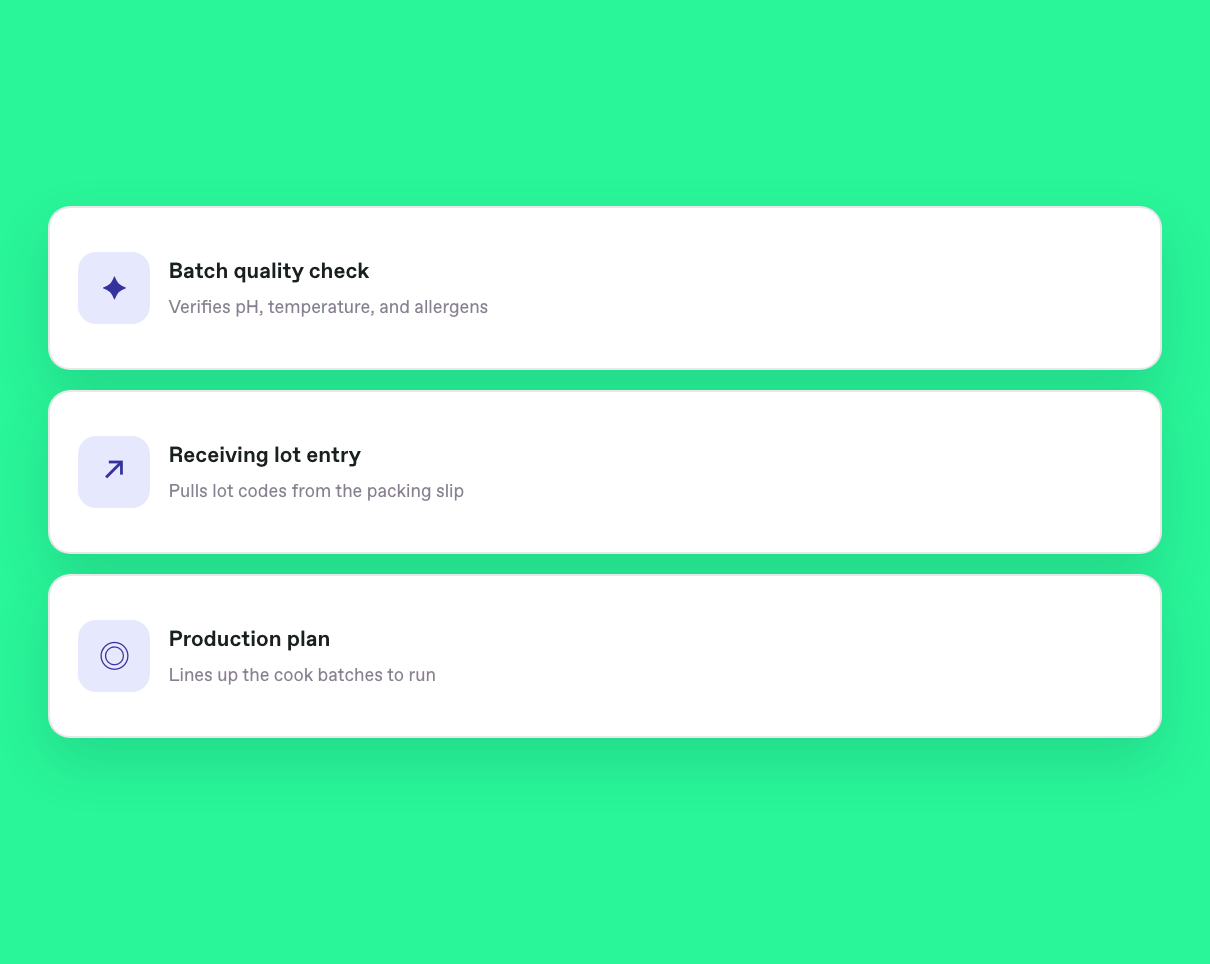
ai agents & targeted alerts
Set up triggers, approvals, and AI agents around your priorities. Bonx handles the repetitive tasks, watches for exceptions, and alerts the right person at the right time.
mobile & tablet apps with claude, connected to your data
Start from the workstation, the checks, and the rules that really exist in your plant. Bonx turns that need into a mobile interface connected to your lots, inventory, and processes, with no side IT project.
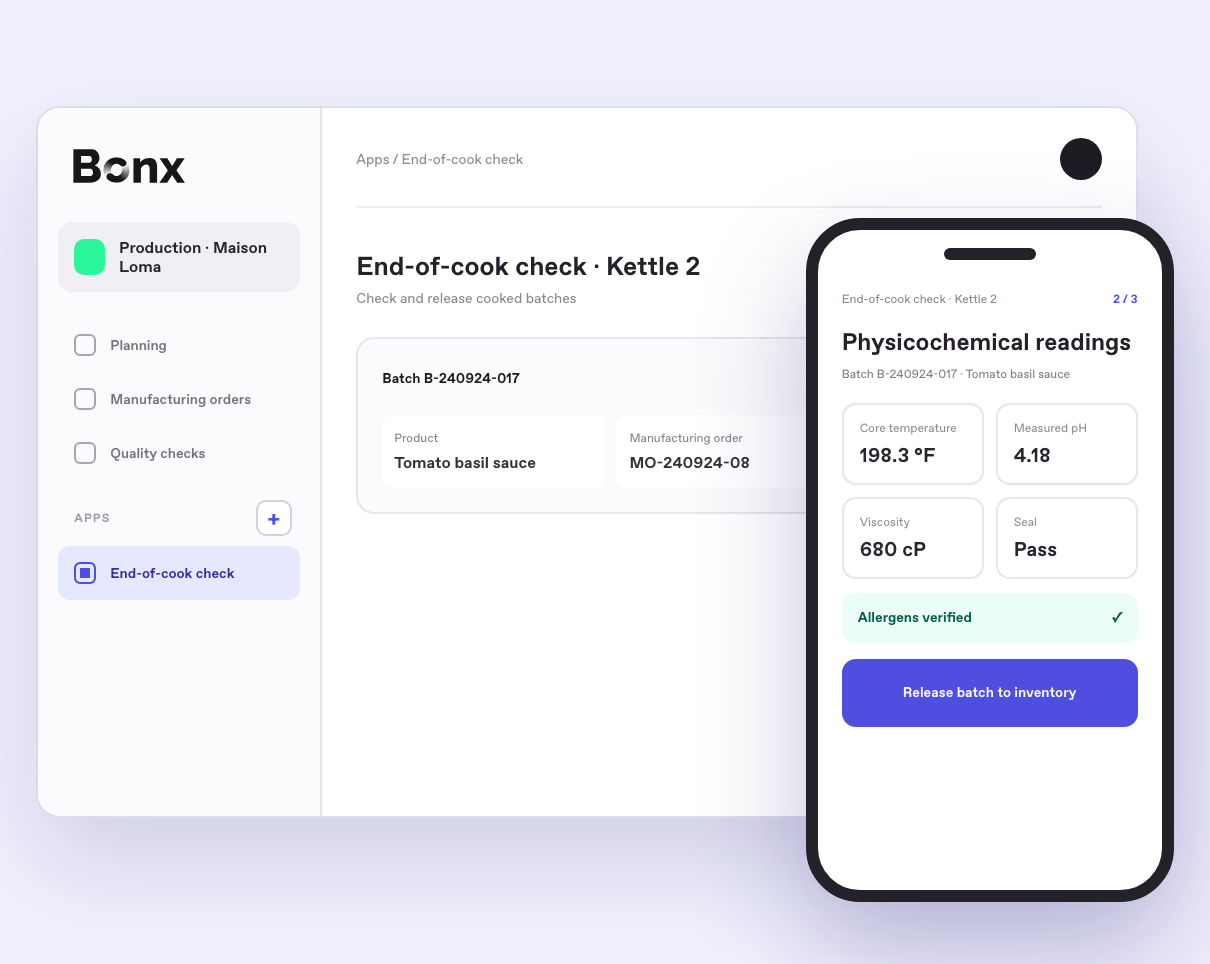
Bonx × Claude · via MCP
Describe the workstation and its rules. Claude builds the interface on your live lots and inventory, and you test it with real data before operators ever see it.
Open Apps in Bonx and connect Claude through MCP, within your own permissions.
Say what operators need to see, enter, and check. Claude builds it on your objects, lots, and inventory.
Try it with real data, refine it in the conversation, then publish it to the floor.
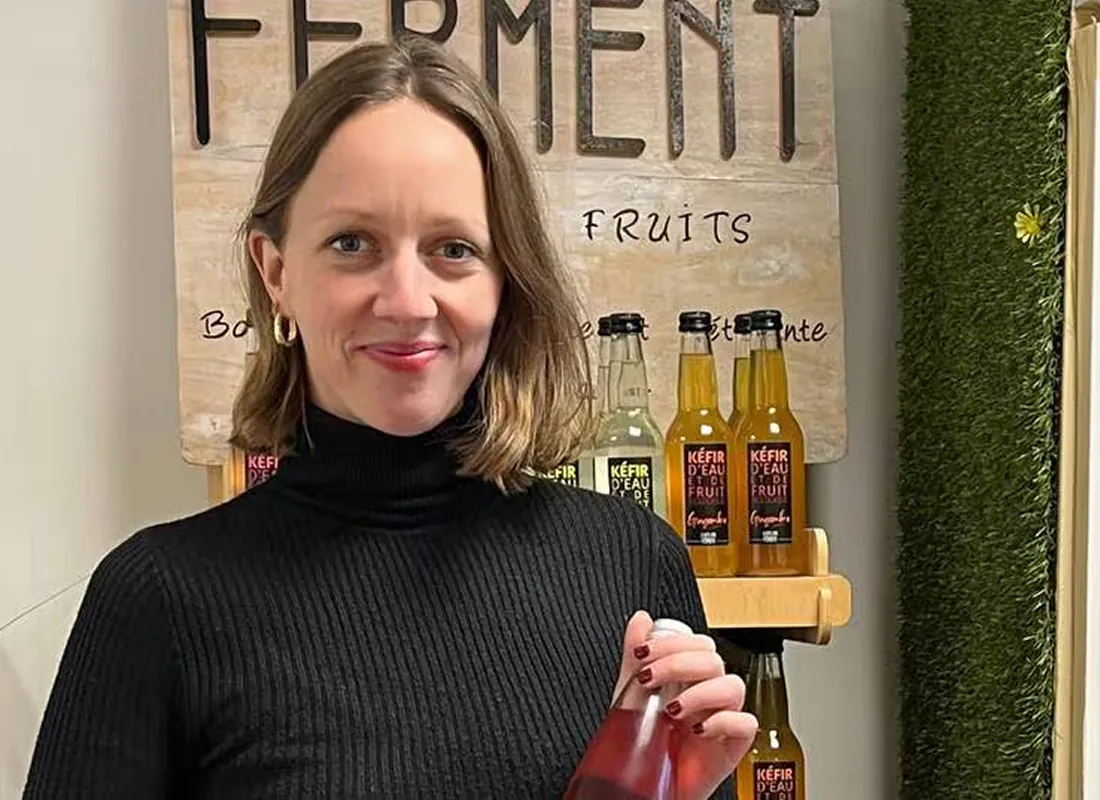
Marjolaine Nantillet
Founder at L'Atelier du Ferment

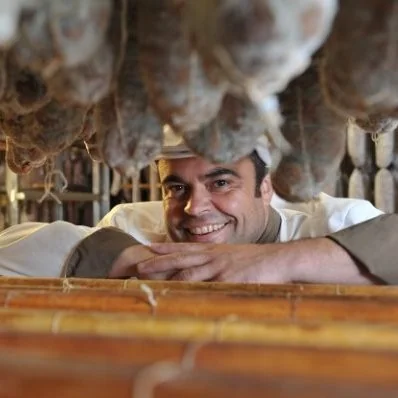
Gaëtan Duculty
Managing director at Salaisons du Mont Pilat
David Nicolas
Founder at Féroce

Romaric Duretz
Plant director at La Maillecotech

Ein integriertes ERP ist ein System, das sich mit den anderen Werkzeugen verbindet, die ein Unternehmen bereits nutzt, sodass Daten automatisch zwischen den Systemen fließen, statt von Hand kopiert zu werden.
Für Hersteller heißt das meist: das ERP mit CRM-Systemen wie HubSpot, E-Commerce-Plattformen wie Shopify, der Buchhaltungssoftware, den Logistikdienstleistern und manchmal einem Lagerverwaltungssystem (LVS) oder Maschinen zu verbinden.
Das Ziel ist ein einheitliches operatives Bild, nicht ein einziger Anbieter.
Nein. Bonx übernimmt den operativen Kern der Fertigung: Auftragsmanagement, Bestand, Einkauf, Planung, Produktion, Qualität, Logistik und Ausgangsrechnungen. Es bindet die Werkzeuge ringsum an, statt sie zu ersetzen.
Ihr CRM behält die Kundenbeziehung. Ihr Buchhaltungstool behält die Bücher und den Abschluss. Ihre E-Commerce-Plattform behält die kaufmännische Ebene. Bonx bringt diese Systeme zum Zusammenspiel, damit zwischen ihnen keine Daten verloren gehen.
Bonx hat eine eigene Integrations-Engine entwickelt, mit der sich praktisch alles an Ihr ERP anbinden lässt. Hier eine unvollständige Liste der Integrationen, die unsere Kunden am häufigsten anfragen:
CRM und Commerce: HubSpot, Shopify, WooCommerce usw.
Finanzen und Buchhaltung: Wir binden jede der über 100 Finanzlösungen an, die von Chift unterstützt werden, darunter Pennylane, Sage, EBP, Axonaut, Quickbooks, Xero, Cegid usw.
Logistik und 3PL: Veolog, Sendcloud, Chronopost, DHL
Maschinen und Geräte: Bonx greift über einen Synchronisationsagenten auf Ihre Maschinen zu; angebunden haben wir unter anderem bereits Waagen, Druckmaschinen und CNC-Maschinen.
Wenn die Integration, an die Sie denken, hier nicht steht, sprechen Sie mit dem Team. Wir besprechen Ihr Vorhaben gerne im Detail und klären mit Ihnen, was möglich ist.
Bonx deckt den gesamten operativen Ablauf eines Herstellers ab, beginnend beim Auftragsmanagement. Dieser Auftrag kann aus HubSpot oder aus jedem anderen CRM an Bonx übergeben werden.
Von dort übernimmt Bonx Produktionsbedarfe, Bestandsreservierungen, Beschaffung und Qualitätsschritte und gibt die relevanten operativen Daten an das CRM zurück, wenn sie dort gebraucht werden.
Der Vertrieb behält also seine Pipeline und die Hoheit über die Daten im CRM, und die Fertigung steuert den operativen Ablauf in Bonx.
Bei Amantys, einem Hersteller von Schmuck nach Maß, erzeugt jeder individuelle Auftrag einen vollständigen Fertigungsauftrag. Die Rückverfolgbarkeit läuft geradliniger, und die Daten fließen zwischen HubSpot, der Werkstatt und Pennylane, was Doppelerfassungen, Fehler und Kundennachfragen reduziert.
Shopify behält die kaufmännische Ebene und die Zahlung. Bonx nimmt den Auftrag entgegen und übernimmt alles Weitere: Bestandsreservierungen, Produktionsauslösung, Chargenauswahl, Qualitätsprüfungen, Versandvorbereitung und die Abstimmung mit dem 3PL-Dienstleister.
Ein Beispiel: Féroce, eine Marke für Weidefleisch im Direktvertrieb, hat ihre Bonx-Integration samt Shopify-Anbindung in 42 Tagen umgesetzt, kurz bevor ein Auftritt im nationalen Fernsehen die Bestellungen verzehnfachte. Shopify blieb genau so, wie es war. Bonx übernahm Rückverfolgbarkeit, Kühlkette und Logistikkoordination in dieser Größenordnung.
Bonx stellt Rechnungen nativ aus: lückenlose gesetzliche Nummerierung, Umsatzsteuer auf Positionsebene, das PDF und E-Invoicing, wo es gesetzlich vorgeschrieben ist. Ein Finanz-ERP ist Bonx deshalb nicht: kein Hauptbuch, keine Lohnabrechnung, kein Jahresabschluss. Bonx übergibt die vollständig kontierte Rechnung an Ihr Buchhaltungstool, das sie bucht und die Bücher führt. Operative Daten werden parallel synchronisiert, damit die Finanzabteilung mit weniger Korrekturen arbeitet. Warum Fertigungs-ERP und Finanz-ERP getrennte Systeme sein sollten erläutert die Aufteilung im Detail.
Bonx verbindet sich mit Hunderten von Buchhaltungs- und Finanzplattformen. Zu den gefragtesten gehören Pennylane, Sage, EBP, Axonaut, Quickbooks, Xero und Cegid. Über Chift lässt sich Bonx mit praktisch jeder Buchhaltungs- und Finanzplattform verbinden.
Wenn Ihr System eine API hat, kann Bonx sich mit ziemlicher Sicherheit anbinden. Recyc Matelas, das erste Matratzenrecyclingunternehmen Frankreichs, betreibt zum Beispiel eine direkte Anbindung zwischen Bonx und seiner Fahrzeugwaage, die Tonnagen automatisch übernimmt und die Doppelerfassung beseitigt.
Individuelle Integrationen gehören zum Bonx-Modell. Sprechen Sie uns gerne an, das Team bespricht Ihren Integrationsbedarf.
Bonx ist in einem bis drei Monaten eingeführt, Integrationen inbegriffen. Wir halten die Vorstellung für grundfalsch, dass ein ERP-Projekt 12 bis 18 Monate dauern muss, um am Ende ein System zu liefern, das sich nicht mehr ändern lässt.
Ein Beispiel: Something Added ging in zwei Monaten live, mit einer von Grund auf gebauten nativen Anbindung an HP-3D-Drucker. Féroce war in 42 Tagen produktiv, mit vollständiger Shopify-Integration und QR-Code-Rückverfolgung.
Integrationen werden immer während der Einführung eingerichtet, nicht in einem eigenen Projekt nach dem Go-live.